The debate over fresh, frozen, or canned foods has raged in kitchens worldwide for decades. Each option carries unique advantages in cost, nutrition, and convenience that can transform your grocery shopping strategy.

Understanding the true value behind these food preservation methods empowers you to make informed decisions that benefit both your health and your wallet. Modern food processing technology has evolved dramatically, challenging many long-held assumptions about nutritional quality and economic efficiency.
🥗 Breaking Down the Fresh Food Myth
Fresh produce gleams beautifully under supermarket lights, tempting shoppers with vivid colors and the promise of superior nutrition. However, the journey from farm to table often spans days or even weeks, during which nutrient degradation occurs steadily.
The term “fresh” can be misleading in today’s globalized food system. Fruits and vegetables are frequently harvested before peak ripeness to withstand long-distance transportation. During transit and storage, exposure to light, air, and temperature fluctuations diminishes vitamin content, particularly water-soluble vitamins like vitamin C and B-complex vitamins.
Despite these challenges, truly fresh produce purchased from local farmers markets or grown in home gardens does offer exceptional nutritional value. The key differentiator is the time between harvest and consumption—shorter timeframes preserve more nutrients and phytochemicals that benefit human health.
The Cost Reality of Fresh Foods
Fresh produce typically commands premium pricing, reflecting labor-intensive harvesting methods, transportation costs, and high spoilage rates. Seasonal availability dramatically affects prices, with out-of-season items often doubling or tripling in cost.
Budget-conscious shoppers face additional waste-related expenses when fresh items spoil before consumption. Studies suggest households discard approximately 30% of fresh produce purchases, representing significant financial loss that rarely factors into price comparisons.
❄️ The Frozen Food Revolution: Nutrition Locked in Time
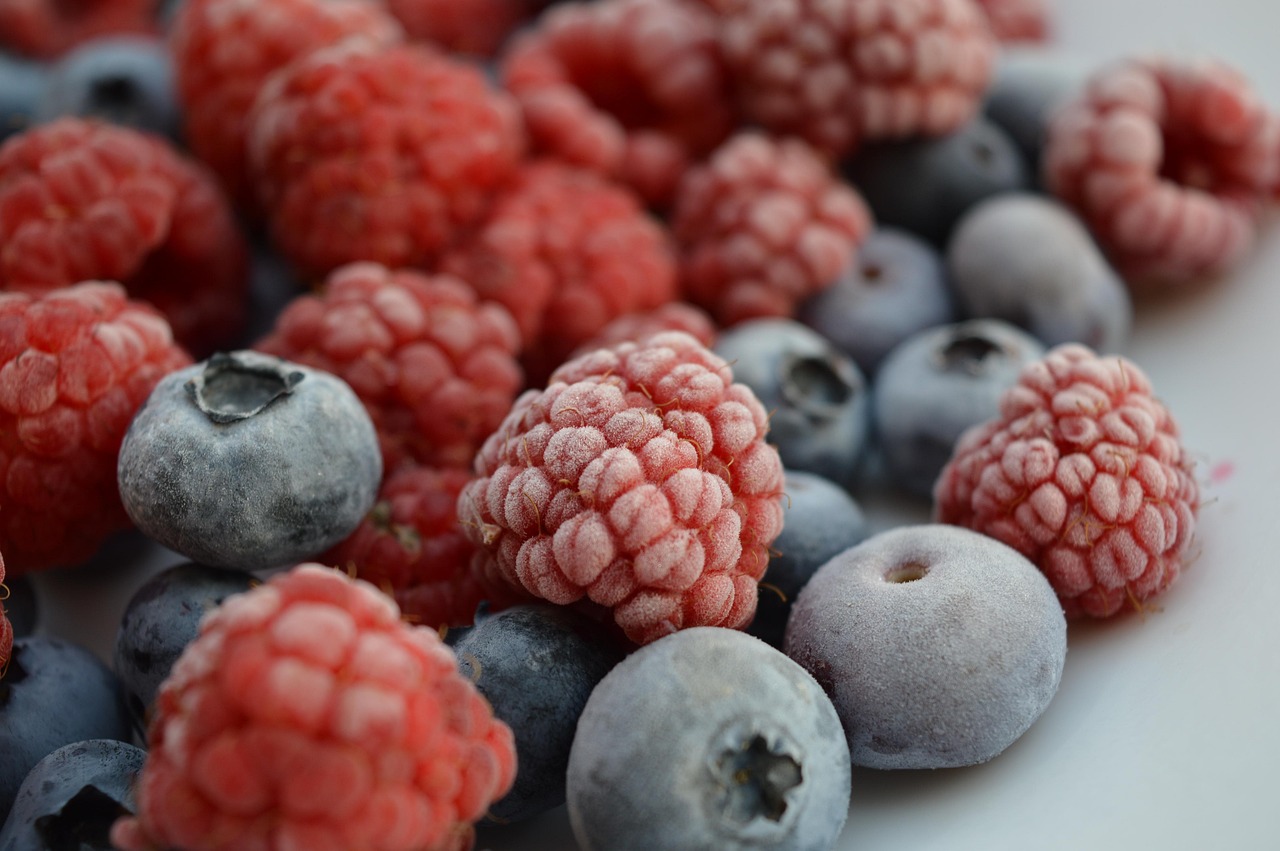
Frozen foods have undergone a remarkable reputation transformation as scientific research reveals their nutritional advantages. The freezing process occurs within hours of harvest, capturing nutrients at peak levels and effectively pausing degradation.
Modern flash-freezing technology uses extremely low temperatures to form tiny ice crystals that minimize cellular damage. This preservation method maintains texture, flavor, and nutritional integrity far better than older freezing techniques, which created large ice crystals that ruptured cell walls.
Nutritional Advantages of Frozen Options
Research consistently demonstrates that frozen fruits and vegetables often contain equal or superior nutrient levels compared to fresh counterparts that have spent days in distribution channels. A study published in the Journal of Agricultural and Food Chemistry found that frozen produce sometimes exceeded fresh samples in vitamin C, riboflavin, and beta-carotene content.
The controlled environment of commercial freezing facilities ensures consistent quality standards. Unlike fresh produce subjected to variable handling conditions, frozen items maintain stable nutrient profiles from processing facility to home freezer.
Certain nutrients actually become more bioavailable through the freezing process. The ice crystal formation breaks down cell walls, making some antioxidants and minerals easier for the human body to absorb during digestion.
Economic Benefits That Can’t Be Ignored
Frozen foods offer compelling cost advantages that extend beyond shelf price comparisons. The extended storage life virtually eliminates waste, allowing consumers to use exactly what they need while preserving the remainder for future meals.
Bulk purchasing opportunities for frozen items provide additional savings. Buying larger quantities during sales makes financial sense when products maintain quality for months in the freezer, unlike fresh alternatives with limited viability.
Preparation convenience reduces hidden costs associated with time and labor. Pre-washed, pre-cut frozen vegetables eliminate preparation steps, potentially offsetting their slightly higher per-pound cost compared to whole fresh vegetables requiring extensive cleaning and cutting.
🥫 Canned Foods: The Underestimated Powerhouse
Canned foods suffer from outdated perceptions rooted in early preservation technology limitations. Contemporary canning processes have evolved significantly, producing shelf-stable products that retain substantial nutritional value while offering unmatched affordability and convenience.
The canning process involves sealing foods in airtight containers and applying heat to eliminate microorganisms. This method effectively preserves foods for years without refrigeration, reducing energy costs and providing emergency food security.
Surprising Nutritional Benefits of Canned Foods
Heat processing during canning actually enhances certain nutrients. Lycopene in tomatoes becomes more bioavailable after cooking, making canned tomatoes potentially more beneficial than fresh for specific health outcomes. Similarly, the heat treatment increases accessible beta-carotene in canned pumpkin and sweet potatoes.
Canned beans and legumes provide excellent protein, fiber, and mineral content while eliminating the lengthy soaking and cooking required for dried alternatives. The convenience factor increases consumption frequency, potentially delivering greater cumulative nutritional benefits than occasionally prepared fresh legumes.
Modern low-sodium and no-salt-added canned options address historical concerns about excessive sodium content. Reading labels carefully allows health-conscious consumers to select products meeting dietary requirements without sacrificing the convenience canning provides.
Unbeatable Cost Efficiency
Canned goods consistently represent the most economical choice across food categories. The combination of minimal waste, long shelf life, and lower production costs creates pricing advantages that significantly impact household food budgets.
Per-serving costs for canned vegetables, fruits, and proteins typically undercut fresh equivalents by 20-60%, depending on season and location. For families managing tight budgets, these savings enable more diverse, nutritious diets than limiting purchases to expensive fresh options.
Pantry storage eliminates spoilage concerns entirely, allowing strategic purchasing during sales without quality deterioration. A well-stocked canned goods pantry provides meal flexibility and emergency preparedness that fresh and frozen options cannot match.
🔍 Comparing Nutrition Across Preservation Methods
Direct nutritional comparisons reveal nuanced results that defy simple categorization. Nutrient retention varies by specific food item, preservation method, storage duration, and preparation technique.
Water-soluble vitamins like vitamin C and folate are particularly vulnerable to degradation. Fresh produce loses these nutrients during extended storage, while blanching before freezing causes some initial loss. However, frozen items maintain stable levels thereafter, often resulting in superior vitamin content compared to week-old fresh produce.
Fat-soluble vitamins including A, D, E, and K demonstrate greater stability across preservation methods. These nutrients withstand freezing and canning processes with minimal degradation, making all formats viable sources.
Mineral content remains largely unaffected by preservation methods. Calcium, iron, magnesium, and potassium levels stay consistent whether foods are fresh, frozen, or canned, assuming proper processing techniques.
Fiber and Protein Stability
Dietary fiber and protein content show remarkable stability across all preservation formats. These macronutrients withstand temperature extremes and extended storage without significant degradation, ensuring consistent nutritional value regardless of chosen format.
Canned beans actually offer preparation advantages that may increase overall protein and fiber intake. The convenience factor encourages more frequent consumption compared to dried beans requiring overnight soaking and extended cooking times.
💰 Creating a Cost-Effective Strategy
Maximizing food budget efficiency requires strategic selection across all three categories based on usage patterns, storage capacity, and preparation preferences. A balanced approach leverages the strengths of each preservation method while minimizing weaknesses.
Purchase fresh produce for immediate consumption when items are in season, locally grown, and competitively priced. Prioritize highly perishable items like berries, leafy greens, and herbs that offer superior sensory qualities when truly fresh.
Stock frozen options for versatile ingredients used in variable quantities. Frozen vegetables, fruits, and proteins provide convenience and waste reduction while maintaining excellent nutritional profiles for everyday cooking needs.
Build pantry foundations with canned goods that offer long-term storage security and budget-friendly pricing. Tomatoes, beans, fish, and certain fruits work excellently in canned form while providing emergency meal options and price stability.
Smart Shopping Tips for Maximum Value
Compare unit pricing rather than package prices to identify true value. Frozen and canned options often deliver more edible portions per dollar after accounting for fresh produce waste from peels, cores, and spoilage.
Shop sales strategically across all categories. Stock your freezer when frozen items are discounted and build canned goods inventory during promotional periods. Purchase fresh produce at peak season for immediate use or home preservation.
Consider store brands for frozen and canned products. These alternatives typically match name-brand quality at significantly lower prices, with identical processing standards and nutritional profiles.
🍽️ Practical Applications for Different Foods
Certain foods excel in specific preservation formats based on texture requirements, nutritional considerations, and culinary applications. Understanding these nuances optimizes both quality and value.
Tomatoes, corn, and peas perform exceptionally well frozen or canned, often surpassing fresh options that were harvested prematurely or stored too long. These items processed at peak ripeness deliver superior flavor and nutrition year-round.
Delicate herbs, lettuce, and cucumbers require fresh consumption as their high water content and fragile structures don’t withstand preservation well. Prioritize fresh purchases for these items when recipes demand them.
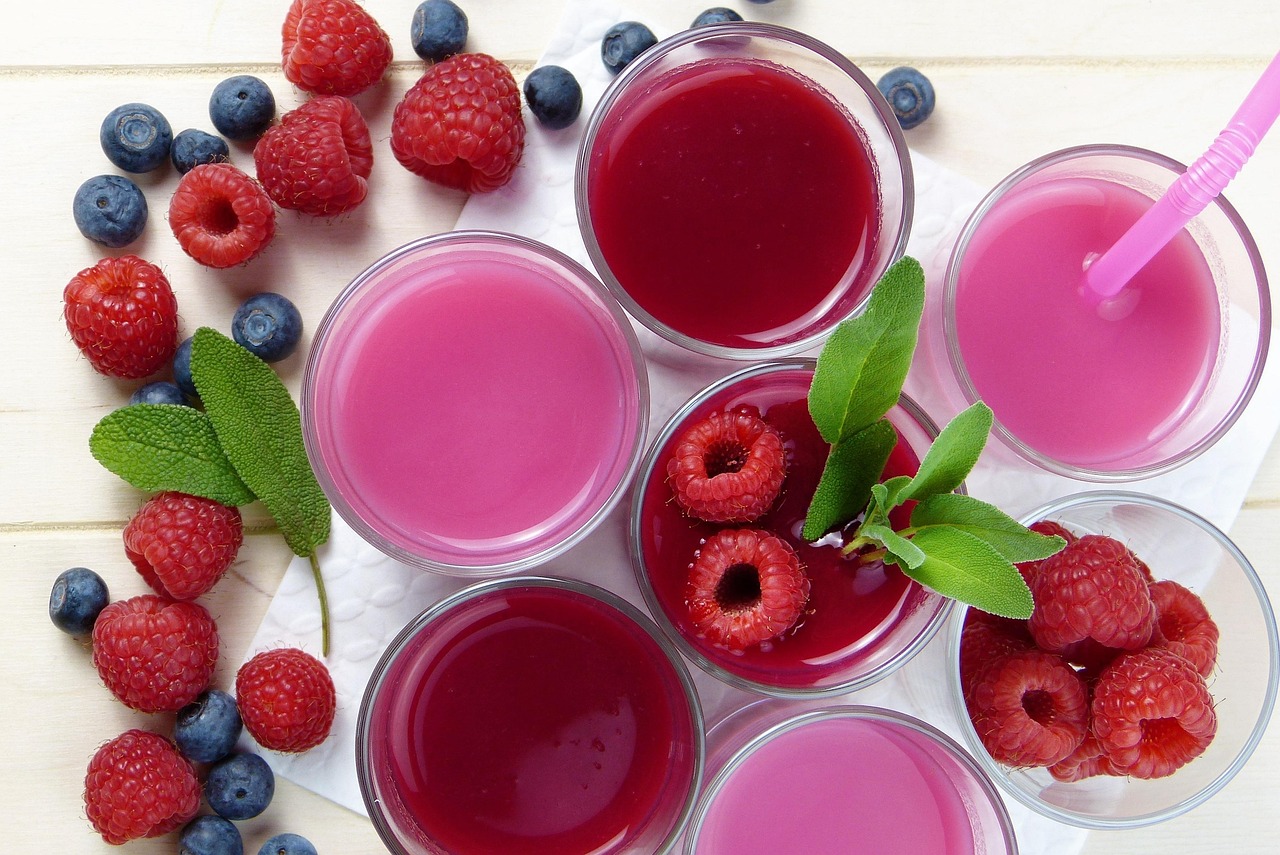
Berries present interesting trade-offs—fresh offers superior texture for eating whole, while frozen provides excellent value for smoothies, baking, and cooked applications where texture matters less.
Protein Source Considerations
Frozen fish and seafood often exceed fresh grocery store offerings in quality because they’re frozen immediately on fishing vessels, preserving peak freshness. Unless purchasing from specialized seafood markets with daily deliveries, frozen represents the superior choice.
Canned fish like salmon, tuna, and sardines provide economical protein with beneficial omega-3 fatty acids. The bones in canned salmon offer exceptional calcium content, making it nutritionally superior to fresh fillets in specific ways.
Fresh poultry and meat offer advantages for certain preparations, but frozen alternatives provide significant savings without major quality compromises when properly thawed. The key is avoiding refrozen products and maintaining proper storage temperatures.
🌱 Environmental and Sustainability Factors
Food preservation choices carry environmental implications worth considering alongside cost and nutrition. Each method presents distinct sustainability profiles affecting carbon footprints, water usage, and waste generation.
Frozen foods require continuous energy for refrigeration throughout storage and distribution chains, contributing to higher carbon emissions. However, reduced food waste from spoilage may offset some environmental costs by decreasing overall production demands.
Canned goods eliminate refrigeration requirements, reducing energy consumption during storage and transport. The metal cans themselves offer excellent recyclability, though production processes are energy-intensive.
Fresh local produce minimizes transportation emissions but may involve higher water usage and pesticide application depending on farming practices. Seasonal eating of fresh foods aligns with natural growing cycles, potentially reducing environmental impacts.
🏆 Making Your Personal Food Choice Framework
Developing a personalized strategy requires honest assessment of priorities, constraints, and lifestyle factors. No single approach works optimally for everyone—success comes from aligning food choices with individual circumstances.
Evaluate available storage space realistically. Limited freezer capacity shifts balance toward canned goods and fresh purchases, while extensive freezer space enables bulk frozen purchases that maximize value.
Consider cooking habits and skill levels. Frozen and canned options reduce preparation time significantly, potentially encouraging home cooking among busy individuals who might otherwise resort to expensive takeout.
Assess household size and consumption patterns. Larger families may benefit from bulk fresh purchases consumed quickly, while smaller households face higher spoilage rates that favor frozen and canned alternatives.
The smartest approach combines all three categories strategically rather than exclusively committing to one preservation method. This flexibility optimizes nutrition, cost, and convenience while adapting to seasonal availability and personal preferences. By understanding the genuine strengths and limitations of fresh, frozen, and canned foods, you can navigate grocery aisles with confidence, making decisions that serve your health goals and financial reality simultaneously.