Meal prep doesn’t have to mean eating the same boring chicken and rice every day. With a little creativity and strategic planning, you can transform basic pantry staples into restaurant-worthy dishes that keep your taste buds excited all week long.

The secret to successful meal prep isn’t just about cooking in bulk—it’s about building a foundation of versatile ingredients that can be mixed, matched, and transformed into completely different meals. This approach saves time, reduces food waste, and eliminates the dreaded “what’s for dinner?” decision fatigue that hits us all too often.
🍳 The Foundation: Building Your Meal Prep Pantry
Before diving into creative recipes, you need the right building blocks. A well-stocked pantry is your secret weapon for transforming simple ingredients into diverse meals throughout the week. Think of these staples as your canvas—versatile, affordable, and endlessly adaptable.
Stock up on grains like rice, quinoa, and pasta. Keep various proteins on hand, whether that’s chicken, ground beef, tofu, or canned beans. Don’t forget flavor enhancers: soy sauce, hot sauce, herbs, spices, and different types of oils. These ingredients form the backbone of your meal prep strategy and can be purchased in bulk to save money.
Smart Shopping for Maximum Versatility
When shopping for meal prep, focus on ingredients that work across multiple cuisines. A rotisserie chicken can become Mexican burrito bowls on Monday, Asian lettuce wraps on Wednesday, and Italian pasta on Friday. Ground beef transforms from taco filling to Bolognese to stuffed peppers with minimal effort.
Seasonal vegetables offer the best value and flavor. Buy what’s on sale and plan your meals around those ingredients. This flexible approach means you’re never locked into a rigid meal plan that doesn’t account for budget or availability.
🌮 Transform One Base Protein into Five Different Meals
The key to avoiding meal prep boredom is learning how to reinvent the same protein with different flavor profiles and preparations. Let’s take chicken breast as an example—arguably the most common meal prep protein and often the most boring when prepared without creativity.
Start by seasoning and cooking a large batch of chicken breasts simply with salt, pepper, and olive oil. This neutral base becomes your weekly protein foundation. On Sunday evening, shred or dice the chicken and divide it into five portions. Now comes the magic: each portion gets transformed before eating.
Five Ways to Reinvent Cooked Chicken
- Mexican Monday: Toss chicken with taco seasoning, lime juice, and cilantro. Serve over rice with black beans, salsa, and avocado.
- Mediterranean Tuesday: Mix with olive oil, lemon, oregano, and feta cheese. Serve with cucumber, tomatoes, and hummus in a pita or over salad.
- Asian Wednesday: Stir-fry with soy sauce, ginger, garlic, and sesame oil. Add vegetables and serve over rice or noodles.
- Buffalo Thursday: Coat in buffalo sauce and serve over mixed greens with ranch dressing and celery.
- Italian Friday: Combine with marinara sauce, mozzarella, and Italian herbs. Serve over pasta or as a sandwich filling.
This approach works with virtually any protein. The same transformation strategy applies to ground turkey, beef, pork, tofu, or fish. The protein stays the same, but the flavor journey takes you around the world.
🍚 The Grain Game: Beyond Basic Rice and Pasta
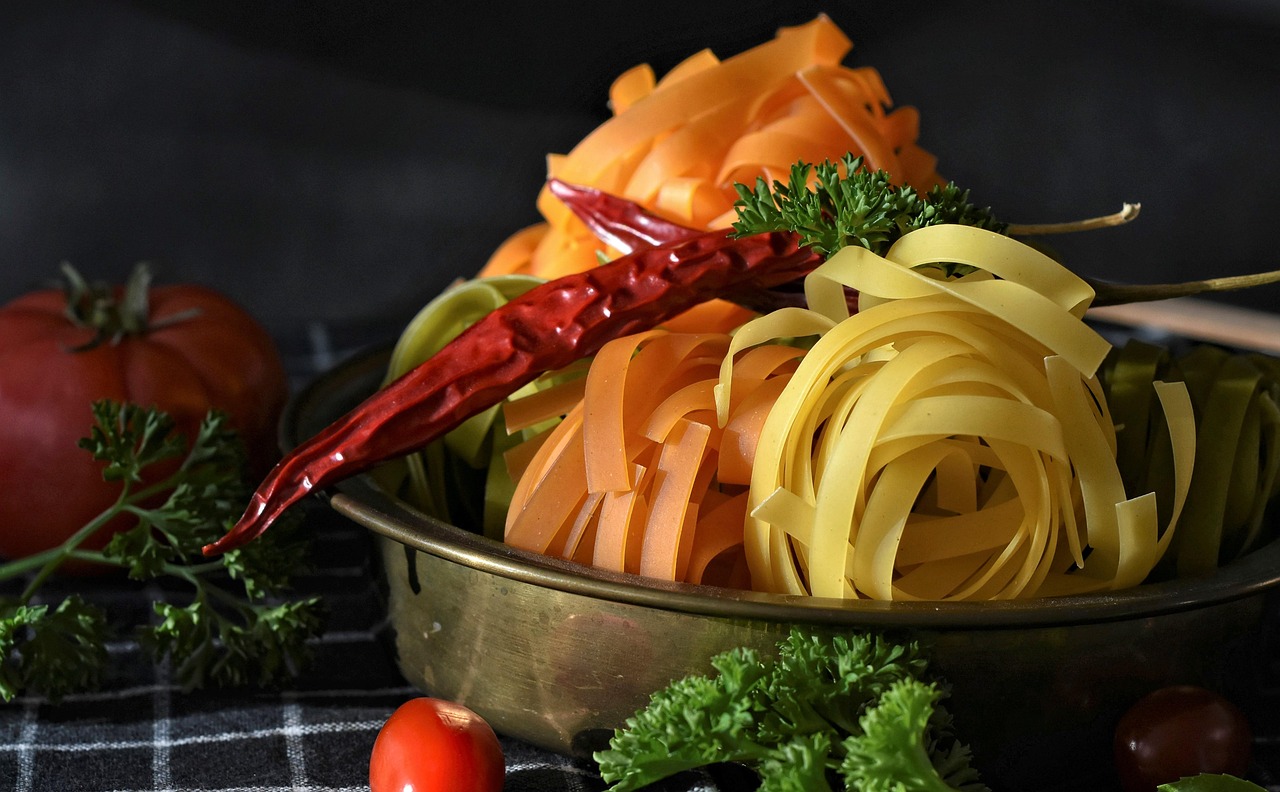
Grains are meal prep champions—they’re affordable, shelf-stable, and incredibly versatile. But eating plain white rice seven times a week gets old fast. The solution is to cook your grains in different liquids and with various add-ins to create completely different bases for your meals.
Cook rice in chicken or vegetable broth instead of water for instant flavor enhancement. Add a bay leaf, garlic cloves, or a cinnamon stick while cooking for subtle aromatics. Toast your grains in a dry pan before adding liquid to unlock nutty flavors you never knew existed.
Creative Grain Preparations to Keep Things Interesting
Quinoa cooked in coconut milk becomes a tropical base for Caribbean-inspired bowls. Rice cooked with turmeric and cumin transforms into a golden pilaf perfect for Middle Eastern dishes. Pearl couscous toasted with butter becomes the foundation for Mediterranean meals with dried fruits and nuts.
Don’t limit yourself to traditional grain preparations. Leftover rice becomes fried rice with just eggs, frozen vegetables, and soy sauce. Yesterday’s pasta transforms into a cold pasta salad with vinaigrette and fresh vegetables. Quinoa mixes into breakfast bowls with fruit and yogurt.
🥗 The Bowl Method: Mix and Match Your Way to Variety
Bowl-based meals are the ultimate meal prep hack because they’re infinitely customizable and visually appealing. The formula is simple: base + protein + vegetables + sauce + toppings. By varying each component, you create endless combinations from the same prepared ingredients.
This modular approach means you prep components separately, then assemble them fresh before eating. Your grains stay in one container, proteins in another, vegetables ready to go, and sauces on the side. This prevents sogginess and keeps textures distinct.
Building Balanced Bowls from Staple Ingredients
Start with your grain or green base—rice, quinoa, pasta, or leafy greens all work. Add your protein, which could be anything from hard-boiled eggs to last night’s leftover salmon. Pile on the vegetables, mixing raw and cooked for textural contrast. The sauce brings everything together and provides the flavor identity.
A single batch of roasted vegetables transforms into different meals depending on the sauce. Pair them with tahini for a Middle Eastern bowl, peanut sauce for Thai vibes, or chimichurri for Latin American flair. The vegetables haven’t changed, but the meal feels completely different.
🌯 Wraps, Rolls, and Handheld Transformations
Sometimes the best way to reinvent a meal is simply changing how you eat it. Taking the same filling and wrapping it differently creates a whole new eating experience. This psychological trick keeps meal prep interesting without requiring completely different ingredients.
That chicken and vegetable mixture becomes a burrito in a tortilla, a lettuce wrap for low-carb days, a filling for stuffed peppers, or toppings for toast. The ingredients are identical, but the presentation and eating experience vary significantly.
Creative Carriers for Your Prepped Ingredients
Beyond standard tortillas, consider collard leaves for wraps, nori sheets for sushi-inspired rolls, or rice paper for fresh spring rolls. Each wrapper brings its own subtle flavor and completely changes the meal’s character. Pita pockets, flatbreads, and even large portobello mushroom caps serve as edible vessels.
Leftover proteins and grains stuff into bell peppers, tomatoes, or zucchini boats. This transforms yesterday’s dinner into an entirely new dish that looks impressive and feels special, even though you’re working with the same core ingredients.
⏰ Time-Saving Techniques for Maximum Efficiency
Creative meal prep shouldn’t mean spending your entire Sunday in the kitchen. Strategic techniques help you prepare diverse meals efficiently without sacrificing your entire weekend to food preparation.
Use your oven to cook multiple items simultaneously at the same temperature. While chicken bakes on one rack, vegetables roast on another, and sweet potatoes cook alongside them. Your stove can handle a pot of grains while you prep vegetables on the counter. Multitasking is essential.
Batch Cooking vs. Component Prepping
There’s a difference between batch cooking complete meals and prepping components. Complete meal batching means eating the same thing multiple times, which gets boring quickly. Component prepping gives you flexibility to create different combinations throughout the week.
Prep your proteins simply and neutrally. Cook grains in large batches but season differently when serving. Chop vegetables in advance but cook them fresh or use different cooking methods throughout the week. This balanced approach provides convenience without monotony.
🍝 Sauce is the Secret: Master Five Sauces, Change Everything
If you learn nothing else from this article, understand this: sauce transforms everything. The same protein, grain, and vegetable combination becomes five completely different meals when paired with different sauces. This is the single most powerful tool in your meal prep arsenal.
Master five basic sauce formulas and you’ll never eat a boring meal again. A simple vinaigrette, a creamy tahini sauce, a spicy peanut sauce, a classic tomato-based sauce, and a versatile Asian-inspired sauce cover an enormous range of cuisines and flavor profiles.
Five Essential Sauces to Prep Weekly
A basic vinaigrette requires just oil, vinegar, mustard, and honey—shake it up and use it on salads, grains, or as a marinade. Tahini sauce blends tahini, lemon juice, garlic, and water into a creamy Middle Eastern staple. Peanut sauce combines peanut butter, soy sauce, lime, and sriracha for Asian-inspired dishes.
Marinara can be as simple as canned tomatoes, garlic, olive oil, and herbs—make a big batch and use it on pasta, as pizza sauce, or to braise proteins. An Asian-inspired sauce mixing soy sauce, rice vinegar, sesame oil, ginger, and garlic works for stir-fries, marinades, and dipping.
Make these sauces in larger quantities on prep day and store them in small containers or squeeze bottles. They keep for a week in the refrigerator and instantly transform plain proteins and vegetables into exciting meals.
🥘 One-Pot Wonders That Reinvent Themselves as Leftovers
Some dishes actually improve over time and transform into different meals as leftovers. These strategic recipes do double duty—they’re delicious fresh and morph into something new the next day with minimal effort.
A large pot of chili becomes taco filling, a topping for baked potatoes, or a base for Cincinnati-style chili pasta. Roasted vegetable medleys blend into soup, get stuffed into omelets, or top pizzas. A whole roasted chicken provides sliced breast meat, shredded meat for tacos, and carcass for bone broth.
Planning Meals That Transform Naturally
When planning your weekly menu, think about how today’s dinner can become tomorrow’s lunch with a simple twist. Cook extra pasta knowing you’ll make a cold pasta salad later. Grill extra vegetables intentionally to blend into a frittata or grain bowl.
This intentional leftover strategy differs from simply reheating the same meal. You’re cooking once but planning for two distinct eating experiences. It’s efficient without being repetitive, which is the holy grail of meal prep.
🌟 Breakfast Prep That Breaks the Mold
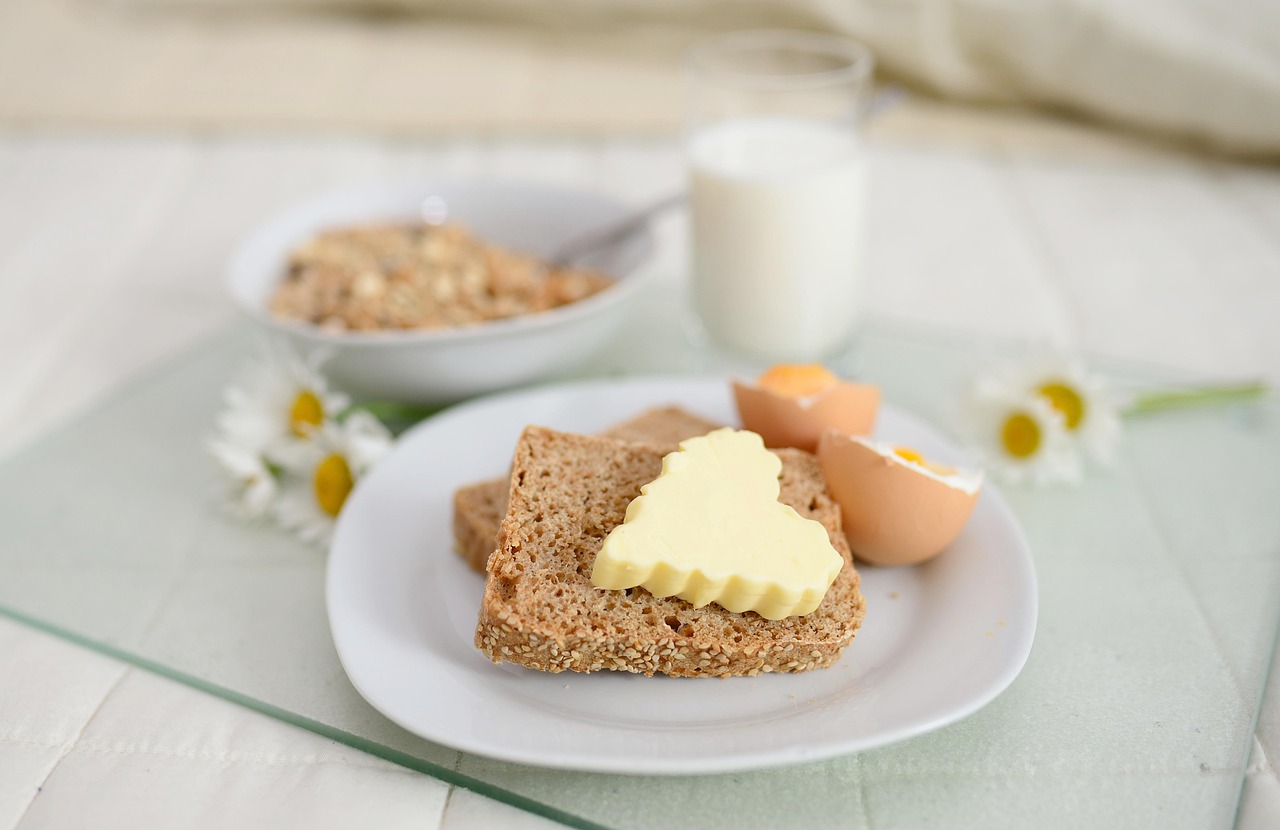
Breakfast meal prep often defaults to overnight oats or egg muffins, but there’s so much more possibility hiding in your pantry staples. Apply the same transformation principles to morning meals and you’ll actually look forward to breakfast instead of rushing through it.
Cook a large batch of steel-cut oats or quinoa as your base. Throughout the week, transform it with different toppings and mix-ins. Sweet versions get fruit, nuts, and spices. Savory versions become breakfast bowls with eggs, vegetables, and hot sauce.
Savory Breakfast Ideas Using Dinner Staples
Last night’s roasted vegetables become a frittata base. Leftover rice transforms into breakfast fried rice with a fried egg on top. That batch of seasoned ground turkey mixes into breakfast tacos or tops avocado toast. Thinking beyond traditional breakfast foods opens up your entire meal prep inventory.
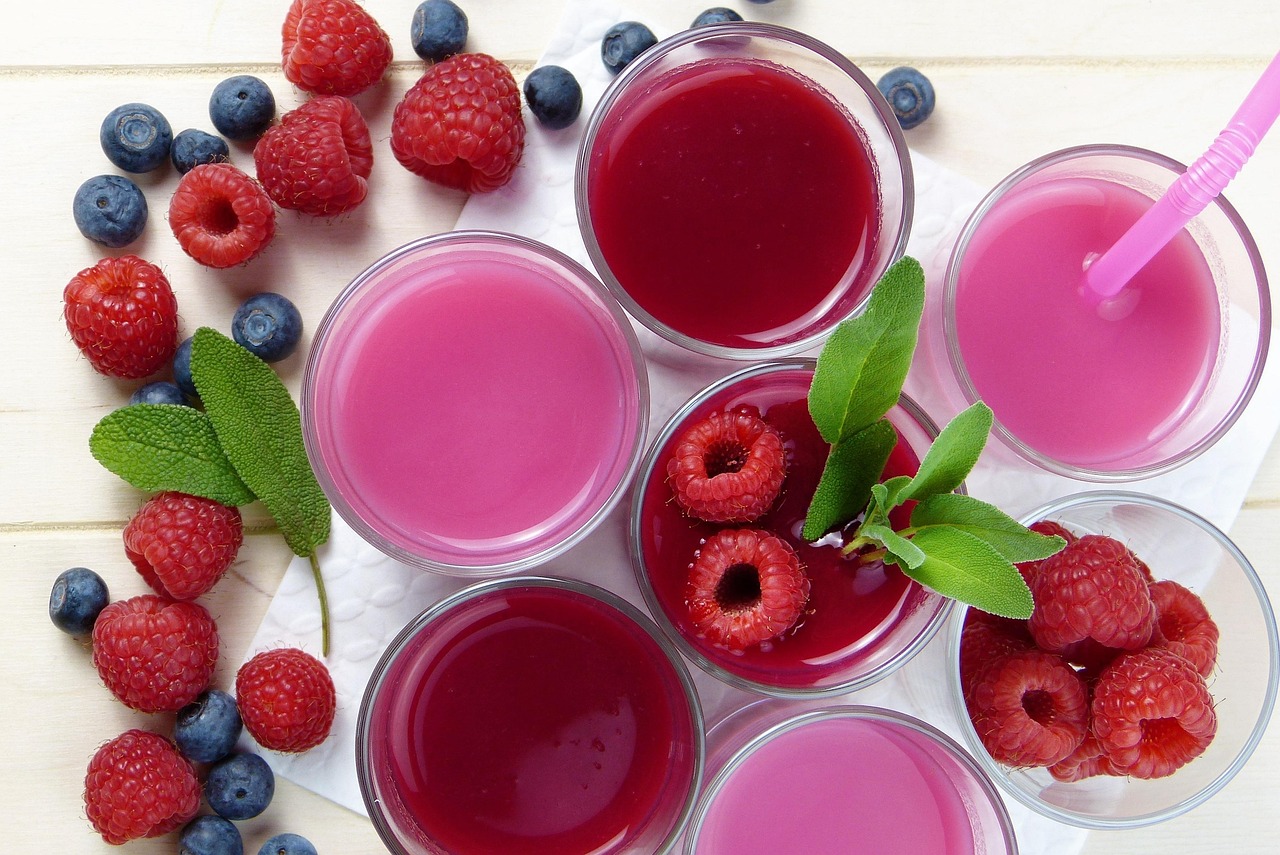
Prep smoothie packs with fruits and vegetables portioned into freezer bags. Each morning becomes different depending on which pack you grab and what liquid base you choose. Add protein powder, nut butter, or yogurt to vary the nutrition and flavor profile throughout the week.
💡 Making the System Work for Your Lifestyle
The most creative meal prep plan fails if it doesn’t fit your actual life. Be honest about your schedule, cooking skills, and how much time you realistically have for preparation. A simple system you’ll actually use beats an elaborate one that overwhelms you.
Start small if you’re new to meal prep. Choose two dinners to prep components for, rather than trying to plan every meal for the week. As you get comfortable with the process, expand gradually. There’s no rule saying you must prep every single meal—even preparing a few key components saves significant time and money.
Track what works and what doesn’t. If you find yourself always choosing certain flavor combinations, make those more frequently. If meal prep containers sit untouched in your fridge, those recipes aren’t working for you—drop them without guilt and try something else.
🎯 Reducing Food Waste While Maximizing Variety
One of meal prep’s greatest benefits is reducing food waste, but only if you plan strategically. Buying ingredients that work across multiple recipes means everything gets used before it spoils. This saves money and reduces the environmental impact of wasted food.
Use the whole vegetable. Broccoli stems dice into stir-fries or blend into soup. Carrot tops become pesto. Chicken bones make stock. Vegetable scraps collect in a freezer bag until you have enough for broth. This zero-waste approach stretches your budget and creates even more meal components.
When something is about to turn, transform it immediately. Vegetables on the edge get roasted or blended into soup. Overripe fruit becomes smoothie packs. Leftover rice becomes fried rice. Stale bread turns into croutons or breadcrumbs. Having transformation strategies prevents waste and keeps your meal prep dynamic.
Reinventing your weekly meals through creative meal prep isn’t about cooking skills or fancy equipment—it’s about strategy, planning, and understanding how ingredients work together. With these techniques, your kitchen becomes a laboratory for culinary creativity where the same affordable staples transform into exciting dishes that keep you satisfied and motivated throughout the week. The initial investment of time and planning pays dividends in reduced stress, saved money, and meals that genuinely excite you rather than bore you. Start with one new technique from this article, master it, then add another. Before long, you’ll wonder how you ever tolerated repetitive meal prep, and your friends will be asking for your secrets to eating well without losing your mind or your budget.