Building a well-stocked pantry is the foundation of creating nutritious, satisfying meals that support your health goals. When you focus on gluten-free and low-glycemic ingredients, you’re setting yourself up for sustained energy throughout the day.

Whether you’re managing celiac disease, gluten sensitivity, blood sugar concerns, or simply choosing to eat more mindfully, having the right staples on hand makes meal preparation effortless and enjoyable. Let’s explore the essential ingredients that will transform your kitchen into a haven for delicious, health-supporting meals.
🌾 Understanding the Gluten-Free Low-GI Approach
The combination of gluten-free and low-glycemic eating offers tremendous health benefits. Gluten-free eating eliminates wheat, barley, and rye proteins that can trigger inflammation and digestive issues in sensitive individuals. Meanwhile, low-glycemic index (GI) foods help maintain stable blood sugar levels, preventing energy crashes and supporting weight management.
When you combine these approaches, you’re choosing foods that nourish your body without causing spikes in blood glucose or inflammatory responses. This eating style supports sustained energy, improved mental clarity, better digestive health, and long-term wellness.
🥜 Protein-Rich Staples for Lasting Satisfaction
Protein forms the building blocks of every meal, keeping you full and satisfied while supporting muscle health and metabolic function. Your gluten-free, low-GI pantry should include diverse protein sources.
Legumes and Pulses
Lentils are nutritional powerhouses with a low glycemic index and exceptional protein content. Red, green, and black lentils each offer unique textures and flavors. Chickpeas provide versatility for everything from hummus to curry, while black beans and kidney beans add heartiness to soups and salads.
Split peas cook quickly and create creamy, satisfying soups without any added dairy. These legumes are naturally gluten-free and provide complex carbohydrates that digest slowly, keeping blood sugar stable.
Nuts and Seeds
Raw almonds, walnuts, and pecans offer healthy fats, protein, and satisfying crunch. Keep them in airtight containers to maintain freshness. Pumpkin seeds and sunflower seeds are excellent for snacking or adding texture to salads and baked goods.
Chia seeds and flaxseeds provide omega-3 fatty acids and fiber. When ground, they can even replace eggs in certain recipes, making them invaluable for plant-based cooking. Hemp seeds deliver complete protein with all essential amino acids.
🌾 Gluten-Free Whole Grains and Alternatives
Contrary to popular belief, going gluten-free doesn’t mean eliminating grains entirely. Several naturally gluten-free grains offer excellent nutrition and low-GI properties.
Quinoa: The Complete Protein Grain
Quinoa stands out as one of the few plant foods providing all nine essential amino acids. With a glycemic index of 53, it’s considered a low-GI food. White, red, and black varieties each offer slightly different textures, from fluffy to crunchy.
This ancient grain cooks in just 15 minutes and works beautifully as a base for grain bowls, added to soups, or served as a side dish. Rinse quinoa thoroughly before cooking to remove its natural bitter coating.
Brown Rice and Wild Rice
Brown rice has a lower glycemic index than white rice, thanks to its intact bran layer containing fiber and nutrients. Wild rice, technically an aquatic grass seed, offers even more protein and a distinctive nutty flavor.
Consider keeping both short-grain and long-grain brown rice varieties. Short-grain creates stickier preparations perfect for sushi or rice bowls, while long-grain remains fluffy and separate.
Steel-Cut Oats and Certified Gluten-Free Oats
While oats are naturally gluten-free, they’re often contaminated during processing. Always choose certified gluten-free oats. Steel-cut oats have a lower glycemic index than rolled oats due to their minimal processing.
These hearty oats create satisfying breakfast porridge and can be used in homemade granola, energy bars, or even as breadcrumb substitutes in savory dishes.
🥥 Essential Flours for Gluten-Free Baking
Successful gluten-free baking requires understanding different flour properties and how they work together. Stock several varieties to create balanced, delicious results.
Almond Flour and Coconut Flour
Almond flour brings moisture, protein, and a mild nutty flavor to baked goods. It works exceptionally well in pancakes, muffins, and cookies. With a low glycemic index around 45, it’s an excellent choice for blood sugar management.
Coconut flour is highly absorbent and fiber-rich, requiring less quantity than other flours. It pairs well with eggs and works beautifully in combination with almond flour for balanced texture and nutrition.
Chickpea Flour and Other Bean Flours
Chickpea flour, also called besan or garbanzo bean flour, offers a protein-packed alternative for savory preparations. It creates excellent flatbreads, fritters, and can thicken sauces naturally.
Black bean flour and white bean flour provide similar benefits with slightly different flavor profiles. These legume-based flours keep you fuller longer thanks to their protein and fiber content.
Buckwheat Flour
Despite its misleading name, buckwheat contains no wheat and is completely gluten-free. This nutrient-dense flour has a distinctive earthy flavor and works wonderfully in pancakes, crepes, and noodles.
Buckwheat has a glycemic index of approximately 54, making it a smart low-GI choice that also provides rutin and other beneficial compounds.
🫒 Healthy Fats and Oils
Quality fats are essential for nutrient absorption, hormone production, and satiety. They also have minimal impact on blood sugar levels, making them perfect for low-GI eating.
Extra Virgin Olive Oil
This Mediterranean staple provides heart-healthy monounsaturated fats and powerful antioxidants. Use it for salad dressings, light sautéing, and finishing dishes. Store in a cool, dark place to preserve its delicate compounds.
Coconut Oil and Avocado Oil
Virgin coconut oil handles higher temperatures well, making it ideal for roasting and baking. Its medium-chain triglycerides offer unique metabolic benefits. Avocado oil has the highest smoke point of common cooking oils, perfect for high-heat cooking methods.
Nut and Seed Butters
Natural almond butter, cashew butter, and tahini (sesame seed paste) provide creamy richness to both sweet and savory dishes. Look for versions with no added sugars or oils. These spreads offer sustained energy and satisfying healthy fats.
🥫 Canned and Jarred Essentials
Strategic canned and jarred items make quick meal assembly possible while maintaining nutritional quality and gluten-free status.
Tomato Products
Canned whole tomatoes, crushed tomatoes, and tomato paste form the foundation of countless sauces, soups, and stews. Choose varieties with no added sugars or check that seasonings are gluten-free.
Sun-dried tomatoes packed in olive oil add concentrated flavor to salads, pasta dishes, and grain bowls. Their intense taste means a little goes a long way.
Coconut Milk and Coconut Cream
Full-fat canned coconut milk creates creamy curries, smoothies, and dairy-free desserts. Coconut cream, the thick layer at the top, can be whipped into a luxurious topping or used to enrich sauces.
Stocks and Broths
Keep several varieties of gluten-free stock on hand—vegetable, chicken, and bone broth. Quality stock elevates simple grain and vegetable dishes into restaurant-worthy meals. Read labels carefully, as some commercial stocks contain hidden gluten or additives.
🌶️ Flavor Builders: Herbs, Spices, and Condiments
A well-seasoned pantry transforms simple ingredients into exciting meals without relying on processed sauces that often contain gluten and added sugars.
Essential Dried Herbs and Spices
Stock your pantry with cumin, coriander, turmeric, paprika, cinnamon, and ginger. These spices not only add flavor but also provide anti-inflammatory compounds and other health benefits.
Dried oregano, basil, thyme, and rosemary bring Mediterranean flavors to your cooking. Bay leaves add depth to slow-cooked dishes. Purchase whole spices when possible and grind as needed for maximum freshness and potency.
Vinegars and Fermented Condiments
Apple cider vinegar, balsamic vinegar, and rice vinegar brighten dishes and support healthy digestion. They have virtually no glycemic impact and help balance rich flavors.
Coconut aminos provide a gluten-free soy sauce alternative with lower sodium and a slightly sweet profile. Tamari is another gluten-free option, though check labels to ensure certification.
Natural Sweeteners
While limiting sweeteners supports low-GI eating, having appropriate options allows for occasional treats. Raw honey and pure maple syrup offer minerals and antioxidants alongside sweetness. Use them sparingly.
Coconut sugar has a lower glycemic index than regular sugar (around 35 versus 60-70), making it a better choice for baking. Stevia and monk fruit extract provide sweetness without affecting blood sugar at all.
🥗 Fresh Ingredients That Keep Well
While focusing on pantry staples, certain fresh ingredients store well and should always be on hand to round out your meals.
Alliums and Aromatics
Onions, garlic, and shallots form the flavor foundation of countless dishes. They store for weeks in a cool, dry location. Fresh ginger root keeps in the refrigerator for weeks and adds zing to stir-fries, teas, and marinades.
Hardy Vegetables
Sweet potatoes offer excellent nutrition with a moderate glycemic index, especially when eaten with their skin and combined with protein or healthy fats. They store at room temperature for weeks.
Cabbage, carrots, and celery maintain quality in the refrigerator for extended periods. These vegetables form the base of many soups, slaws, and side dishes.
📱 Tracking Your Nutritional Goals
Managing a specialized diet becomes easier with proper planning and tracking tools. Several apps help monitor gluten-free choices, blood sugar responses, and nutritional intake, making it simpler to stay on track with your health goals.
🍽️ Building Balanced Meals from Your Pantry
Understanding how to combine your staples creates endless meal possibilities. A balanced gluten-free, low-GI meal includes a protein source, complex carbohydrates, healthy fats, and plenty of vegetables.
The Formula for Success
Start with a base of quinoa, brown rice, or lentils. Add roasted or sautéed vegetables seasoned with herbs and spices. Include a protein source like beans, nuts, or eggs. Finish with a healthy fat like avocado, olive oil drizzle, or tahini sauce.
This simple formula adapts to countless flavor profiles—Mediterranean with chickpeas, tomatoes, and olive oil; Asian-inspired with coconut aminos, ginger, and sesame oil; or Mexican-style with black beans, cumin, and lime.
Meal Prep Strategies
Cook grains and legumes in batches at the beginning of the week. Store them in portion-sized containers for quick assembly. Prepare versatile sauces and dressings that work across multiple meals.
Chop vegetables in advance and store them properly to maintain freshness. Having components ready transforms a potentially time-consuming meal into a five-minute assembly project.
💡 Smart Shopping and Storage Tips
Maximizing your pantry investment requires smart purchasing decisions and proper storage techniques.
Buying in Bulk
Purchase frequently used items like quinoa, brown rice, lentils, nuts, and seeds in larger quantities from bulk bins or online retailers. This approach saves money and reduces packaging waste.
Ensure any bulk items are certified gluten-free, as cross-contamination can occur in facilities handling wheat products. Transfer purchases to airtight containers immediately.
Proper Storage Methods
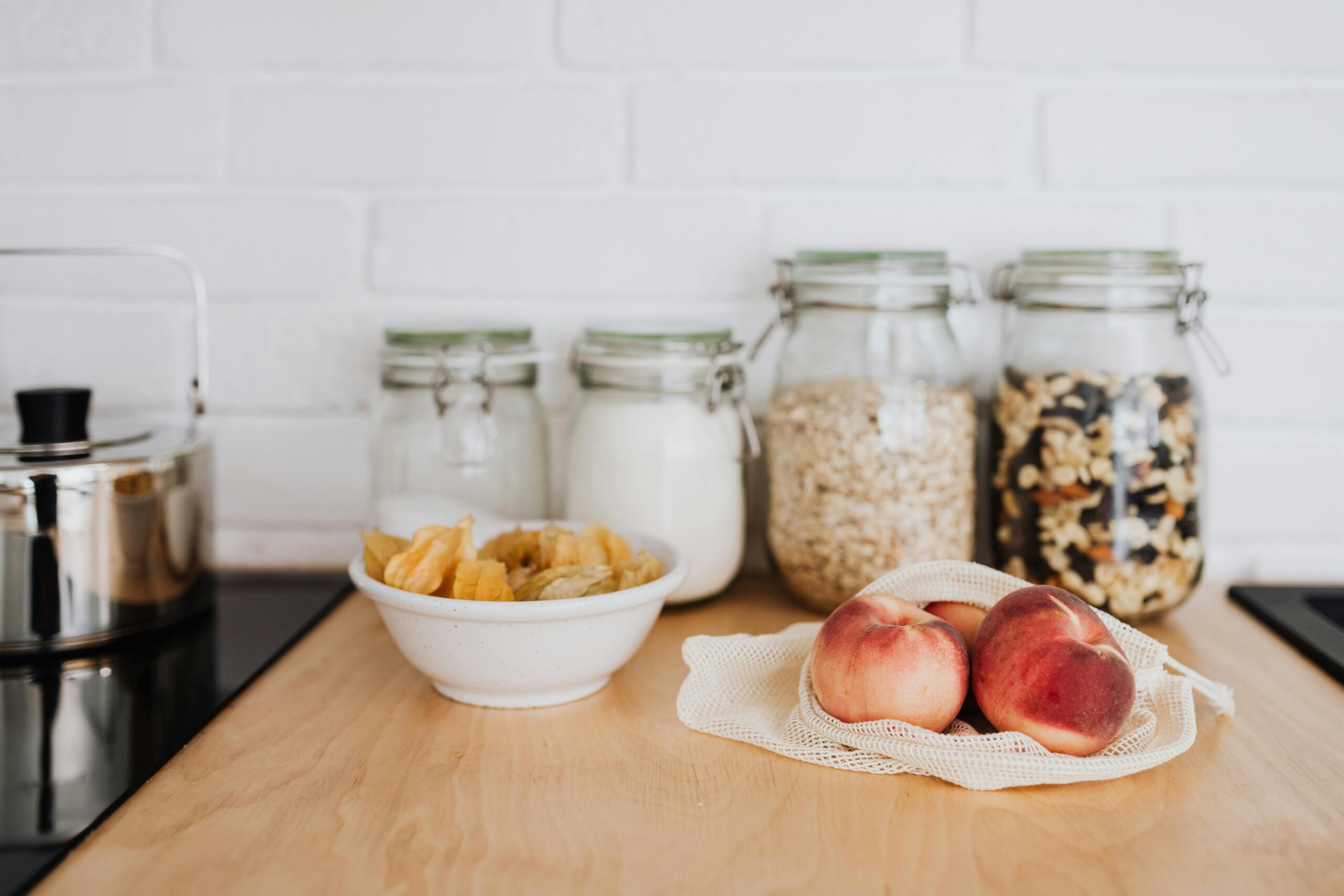
Store grains, flours, nuts, and seeds in airtight glass or plastic containers to protect them from moisture, pests, and oxidation. Label containers with purchase dates to track freshness.
Keep nutrient-dense items like nuts, seeds, and whole grain flours in the refrigerator or freezer to extend their shelf life and prevent rancidity. Oils should be stored in cool, dark locations away from heat sources.
🎯 Making the Transition Sustainable
Building your ideal gluten-free, low-GI pantry doesn’t happen overnight. Start with the essentials and gradually expand your collection based on the recipes you enjoy most.
Focus on whole, minimally processed ingredients that serve multiple purposes. A bag of lentils can become soup, salad topping, veggie burgers, or dal. This versatility makes each staple work harder for you.
Experiment with one or two new ingredients each week. This approach prevents overwhelm and allows you to learn how each item behaves in cooking. Soon you’ll develop intuition about which ingredients work best for different applications.
🌟 Creating Your Personal Pantry System
Everyone’s ideal pantry looks slightly different based on personal preferences, cooking style, and health goals. Use this guide as a framework, then customize based on what you actually eat and enjoy.
Regularly review your pantry and eliminate items you haven’t used in months. Donate unopened packages to food banks and compost or discard expired items. This practice keeps your pantry fresh and prevents waste.
Keep a running list of staples that need replenishing. When an item gets to about one-quarter remaining, add it to your shopping list. This system prevents frustrating moments when you’re ready to cook but missing a key ingredient.
Your gluten-free, low-GI pantry represents an investment in your health, energy, and daily satisfaction. With these essential staples on hand, you’ll always be prepared to create nourishing meals that support your wellbeing without sacrificing flavor or variety. The combination of smart shopping, proper storage, and creative cooking transforms simple ingredients into an endless array of delicious possibilities that keep you feeling your absolute best every single day.