Meal planning doesn’t have to be complicated or time-consuming. With the right approach and simple templates, you can transform your daily eating routine into an effortless, healthy habit.

Whether you’re a busy professional, a parent juggling multiple responsibilities, or simply someone who wants to eat better without the stress, having a structured system for meal planning can revolutionize your relationship with food. The perfect plate template method takes the guesswork out of nutrition while giving you the flexibility to enjoy foods you love.
🍽️ Understanding the Perfect Plate Method
The perfect plate method is a visual approach to meal planning that simplifies portion control and ensures balanced nutrition at every meal. Instead of counting calories or measuring every ingredient, you divide your plate into sections that represent different food groups.
This approach is based on nutritional science but presented in a way that anyone can understand and implement immediately. The beauty of this system lies in its simplicity—once you understand the basic template, you can apply it to virtually any cuisine or dietary preference.
Most nutrition experts agree that a balanced plate should include proteins, complex carbohydrates, healthy fats, and plenty of vegetables. The specific proportions may vary slightly depending on your individual needs, activity level, and health goals, but the fundamental principle remains consistent across different eating styles.
Creating Your Breakfast Plate Template ☕
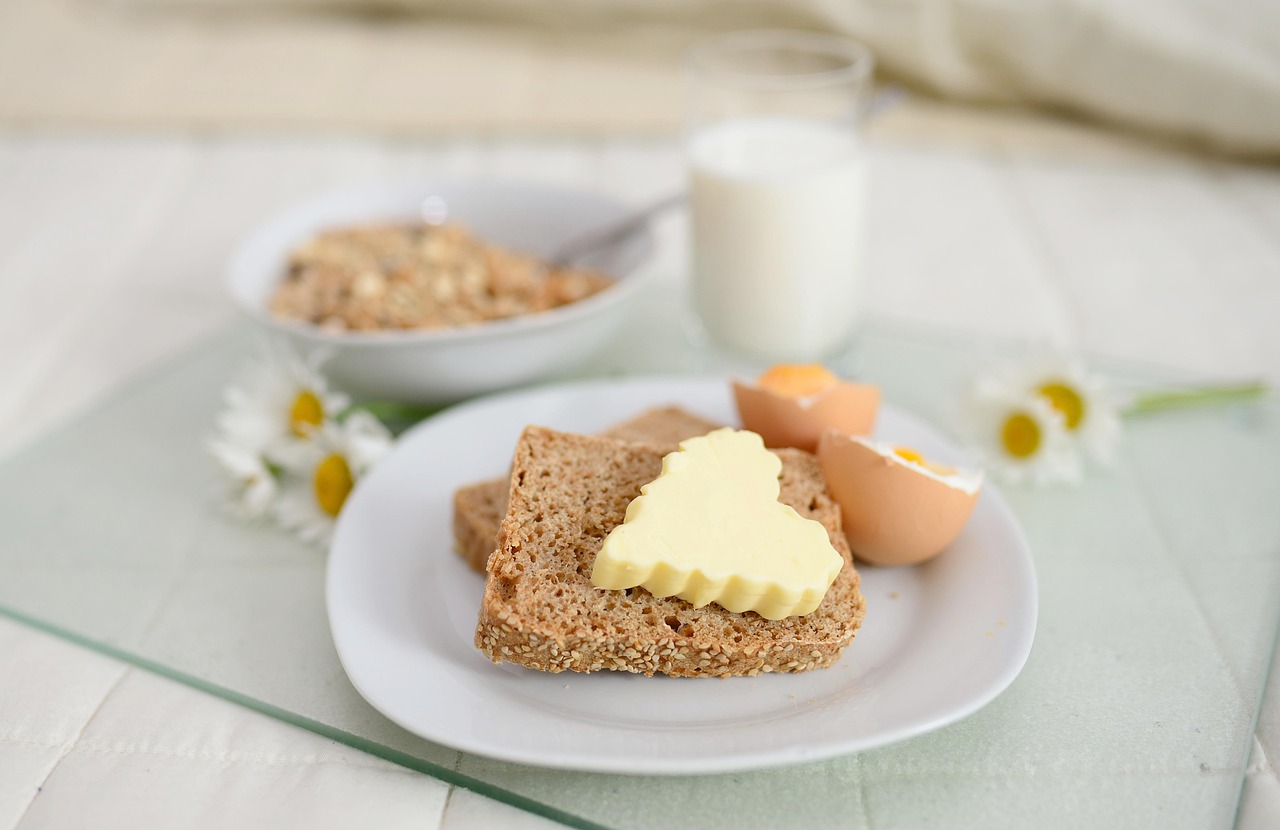
Breakfast sets the tone for your entire day, providing the energy and nutrients needed to jumpstart your metabolism and maintain focus throughout the morning. A well-balanced breakfast plate should include protein to keep you satisfied, complex carbohydrates for sustained energy, and fiber-rich foods for digestive health.
The Breakfast Plate Blueprint
Your ideal breakfast plate should be divided into three main components. First, dedicate one-quarter of your plate to protein sources such as eggs, Greek yogurt, cottage cheese, or plant-based alternatives like tofu or tempeh. Protein in the morning helps stabilize blood sugar levels and reduces mid-morning cravings.
The second quarter should feature complex carbohydrates—think whole grain toast, oatmeal, quinoa, or sweet potato. These foods provide the glucose your brain needs to function optimally and offer sustained energy release throughout the morning.
The remaining half of your breakfast plate should include fruits and vegetables. While many people skip vegetables at breakfast, incorporating them early in the day helps you reach your daily recommended intake. Spinach in an omelet, tomatoes with eggs, or avocado on toast are excellent options.
Quick Breakfast Combinations That Work
Having a few go-to breakfast templates makes morning meal planning effortless. Consider these combinations that follow the perfect plate principle:
- Greek yogurt bowl with berries, granola, and chia seeds topped with sliced almonds
- Scrambled eggs with whole grain toast, avocado slices, and cherry tomatoes
- Oatmeal with protein powder, banana slices, nut butter, and cinnamon
- Breakfast burrito with eggs, black beans, salsa, and spinach wrapped in a whole wheat tortilla
- Smoothie bowl with protein powder, frozen berries, spinach, topped with nuts and coconut flakes
The key is to prepare ingredients in advance when possible. Hard-boiled eggs, overnight oats, and pre-cut vegetables can save precious time during busy mornings while ensuring you still eat a balanced meal.
Mastering Your Lunch Plate Strategy 🥗
Lunch often presents the biggest challenge in meal planning, especially for those working outside the home. The midday meal needs to provide enough energy to power through the afternoon without causing the dreaded post-lunch energy crash.
The Lunch Plate Formula
A balanced lunch plate follows a slightly different proportion than breakfast. Fill half your plate with non-starchy vegetables—the more colorful, the better. This ensures you’re getting a variety of vitamins, minerals, and antioxidants while keeping calories in check and fiber content high.
One quarter of your lunch plate should contain lean protein sources. Options include grilled chicken, fish, tofu, legumes, lean beef, or turkey. Protein at lunch helps maintain energy levels and prevents the blood sugar spikes and crashes associated with carb-heavy midday meals.
The final quarter should feature complex carbohydrates such as brown rice, quinoa, whole wheat pasta, sweet potato, or whole grain bread. These foods provide sustained energy and help you feel satisfied until dinner time.
Portable Lunch Templates for Busy Days
Packing lunch doesn’t have to mean eating sad desk salads. With proper planning and the right containers, you can create restaurant-quality meals that travel well and stay fresh.
- Buddha bowl with quinoa, roasted chickpeas, mixed greens, roasted vegetables, and tahini dressing
- Mason jar salad layered with dressing at bottom, hearty vegetables, grains, protein, and delicate greens on top
- Bento-style lunch with grilled chicken strips, vegetable sticks, hummus, whole grain crackers, and fruit
- Wrap filled with turkey, avocado, lettuce, tomato, and mustard with a side of raw vegetables
- Leftover dinner transformed into a grain bowl with added fresh greens and a new sauce
Investing in quality meal prep containers makes lunch planning significantly easier. Look for compartmentalized containers that keep different components separate, preventing soggy salads and maintaining food quality throughout the day.
Dinner Plate Perfection for Evening Meals 🌙
Dinner is often the meal where families gather and where people tend to have more time for cooking. However, after a long day, the temptation to order takeout or prepare something quick but unbalanced is strong. Having a dinner plate template helps you create satisfying, nutritious meals without overthinking the process.
The Dinner Plate Structure
The dinner plate follows the same basic structure as lunch: half vegetables, one quarter protein, and one quarter complex carbohydrates. However, dinner offers more opportunities for variety in cooking methods and flavor profiles.
For the vegetable portion, consider roasting, grilling, sautéing, or steaming a combination of different colored vegetables. The variety not only makes the plate more visually appealing but also ensures a broader range of nutrients. Mix cruciferous vegetables like broccoli or cauliflower with leafy greens and colorful options like bell peppers or carrots.
Protein choices at dinner can be more elaborate than lunch options. Consider salmon, grass-fed beef, pork tenderloin, lamb, duck, or plant-based proteins like lentil patties or bean-based dishes. This is the meal where you can experiment with different marinades, cooking techniques, and flavor combinations.
Time-Saving Dinner Templates
Even with limited time, you can create balanced dinner plates using strategic shortcuts and batch cooking techniques. The following templates can be prepared in 30 minutes or less:
- Sheet pan meal with protein and vegetables roasted together with olive oil and seasonings
- Stir-fry with pre-cut vegetables, quick-cooking protein, and brown rice or noodles
- Grilled protein with microwave-steamed vegetables and a baked sweet potato
- One-pot pasta with added protein and plenty of vegetables mixed in
- Taco night with seasoned protein, whole grain tortillas, and a variety of vegetable toppings
Preparing components in advance dramatically reduces dinner stress. Cook a large batch of grains on Sunday, pre-chop vegetables, or marinate proteins the night before. These small steps compound into significant time savings throughout the week.
Customizing Templates for Dietary Preferences 🌱
The perfect plate method is incredibly flexible and can be adapted to virtually any dietary approach, whether you’re following a vegetarian, vegan, paleo, keto, or Mediterranean diet. The key is understanding the core principles and adjusting proportions based on your specific nutritional needs.
For plant-based eaters, protein portions might include legumes, tofu, tempeh, seitan, or high-protein grains like quinoa. Ensuring adequate protein intake requires slightly more planning but is entirely achievable with proper template usage.
Those following lower-carb approaches can adjust their templates by reducing the carbohydrate quarter and increasing healthy fats and non-starchy vegetables. The flexibility of the system means you’re never locked into a rigid plan that doesn’t align with your goals or preferences.
People with food allergies or intolerances can easily swap problematic ingredients for suitable alternatives while maintaining the overall balance and structure that makes the perfect plate method so effective.
Smart Shopping for Template Success 🛒
Effective meal planning begins at the grocery store. Shopping with your plate templates in mind ensures you always have the right ingredients on hand to create balanced meals without last-minute stress or unhealthy compromises.
Structure your shopping list around the plate template components: proteins, complex carbohydrates, vegetables, fruits, and healthy fats. This approach prevents impulse purchases and reduces food waste because you’re buying ingredients with specific meals in mind.
Stock your pantry with versatile staples that work across multiple template variations. Items like canned beans, whole grains, olive oil, vinegars, spices, and frozen vegetables provide a foundation for countless meal combinations. With these basics on hand, you only need to shop for fresh proteins and produce each week.
Weekly Shopping Template
Consider organizing your shopping list using this framework each week:
- Proteins: 3-4 varieties (mix of animal and plant-based options)
- Vegetables: 7-10 different types across various colors
- Complex carbs: 2-3 options like rice, quinoa, sweet potatoes, or whole grain bread
- Fruits: 4-5 varieties for breakfast and snacks
- Healthy fats: avocados, nuts, seeds, olive oil
- Dairy or alternatives: yogurt, cheese, or plant-based options
This framework ensures variety throughout the week while maintaining the structure needed for consistent, balanced eating.
Meal Prep Strategies That Actually Work ⏰
The difference between meal planning success and failure often comes down to preparation. Dedicating a few hours each week to meal prep transforms your plate templates from theory into ready-to-eat reality.
Start with a realistic assessment of your schedule and energy levels. If dedicating an entire Sunday afternoon to meal prep feels overwhelming, break the tasks into smaller chunks throughout the week. Even 20 minutes of preparation after dinner can set you up for success the next day.
Focus on preparing the components that take the longest or are most inconvenient during busy times. Cooking a large batch of grains, roasting several sheet pans of vegetables, or preparing multiple protein options gives you mix-and-match flexibility throughout the week.
The Power of Template Rotation
Rather than planning completely different meals every day, create a rotation of favorite template combinations. Having five to seven go-to breakfast, lunch, and dinner templates means you’re never starting from scratch, yet you still enjoy variety.
Document your favorite combinations with photos or simple notes. Over time, you’ll develop an intuitive understanding of what works for your taste preferences, schedule, and nutritional needs. This knowledge makes meal planning feel effortless rather than like another chore demanding your limited time and energy.
Overcoming Common Meal Planning Obstacles 💪
Even with perfect templates, challenges arise. Unpredictable schedules, picky eaters, budget constraints, and cooking fatigue are real obstacles that can derail even the best-intentioned plans.
For schedule unpredictability, build flexibility into your system. Keep frozen vegetables, canned beans, and shelf-stable proteins as backup options. These ingredients allow you to create template-based meals even when fresh ingredients aren’t available or time is extremely limited.
When dealing with picky eaters, especially children, involve them in the meal planning process. Let them choose which vegetables to include or how to season the protein. The perfect plate template provides structure while still allowing personal preferences and choices.
Budget constraints don’t have to derail healthy eating. Focus on affordable protein sources like eggs, canned fish, beans, and lentils. Buy vegetables that are in season or opt for frozen options, which are often more affordable and just as nutritious as fresh. The template method actually helps reduce food waste, which saves money over time.
Making It Sustainable for the Long Term 🌟
The true measure of any meal planning system is whether you can sustain it over months and years, not just weeks. The perfect plate template method succeeds where many diet plans fail because it’s based on balance and flexibility rather than restriction and rigidity.
Allow yourself grace when things don’t go perfectly. One off-template meal doesn’t negate all your efforts. The goal is progress and consistency, not perfection. Over time, following the template becomes second nature, requiring less conscious effort and decision-making.
Continue refining your personal templates based on how you feel, your energy levels, and how satisfied you are after meals. The templates are starting points, not rigid rules. As you become more comfortable with the system, you’ll naturally develop preferences and combinations that work best for your unique needs.
Remember that meal planning is ultimately about nourishing your body, saving time and energy, and reducing daily stress around food decisions. When the process starts feeling burdensome rather than helpful, step back and simplify. Return to the basic template principles and build from there.
With these perfect plate templates for breakfast, lunch, and dinner, you have a sustainable framework for effortless meal planning that supports your health goals without demanding perfection or consuming excessive time and mental energy.