Struggling with portion sizes? You’re not alone. Many people find it challenging to gauge how much food they should actually eat, leading to unintentional overeating and derailed health goals.

The good news is that mastering portion control doesn’t require weighing every morsel or memorizing complicated nutritional charts. With simple visual cues and practical strategies, you can train your eyes to recognize appropriate serving sizes naturally. This skill becomes second nature once you understand the basic principles and apply them consistently to your daily meals.
🍽️ Why Portion Control Matters More Than You Think
Portion control is the cornerstone of any successful nutrition plan, whether you’re trying to lose weight, maintain your current size, or simply eat more mindfully. Over the past few decades, portion sizes in restaurants and packaged foods have grown dramatically, distorting our perception of what constitutes a normal serving.
Research shows that when people are served larger portions, they consistently eat more without even realizing it. This phenomenon, known as “portion distortion,” has contributed significantly to rising obesity rates worldwide. The human brain isn’t naturally equipped to accurately estimate portion sizes, especially when presented with oversized plates and endless buffets.
Understanding proper portions helps you consume the right balance of nutrients without feeling deprived. Rather than drastically cutting calories or eliminating food groups, portion control allows you to enjoy diverse foods while maintaining a healthy caloric intake. This sustainable approach makes it easier to stick with long-term healthy eating habits.
The Hand Method: Your Built-In Portion Guide
One of the most practical and accessible portion control tools is literally at your fingertips—your hands! Since your hands are proportional to your body size, they provide a personalized measuring system that travels with you everywhere.
Protein Portions: Palm-Sized Servings
Your protein serving should be roughly the size and thickness of your palm, excluding your fingers. This typically equals about 3-4 ounces of cooked meat, fish, or poultry for women, and 4-6 ounces for men. This visual cue works perfectly whether you’re enjoying grilled chicken, baked salmon, or lean beef.
For plant-based proteins like tofu or tempeh, use the same palm-sized guideline. Legumes and beans are slightly different—aim for a cupped handful, which provides both protein and beneficial fiber.
Carbohydrate Portions: The Cupped Hand
Complex carbohydrates like rice, pasta, potatoes, or oatmeal should fill your cupped hand. This portion typically contains about 20-30 grams of carbohydrates, providing sustained energy without excessive calories. Remember that this applies to cooked grains and starches, not dry measurements.
Whole grain options are always preferable as they contain more fiber, vitamins, and minerals than their refined counterparts. The same cupped-hand measurement works for quinoa, brown rice, sweet potatoes, and whole wheat pasta.
Fat Portions: Thumb-Sized Amounts
Healthy fats are essential but calorie-dense, so portions should be smaller. Your thumb, from tip to base, represents an appropriate serving of fats like peanut butter, cheese, or oils. For nuts and seeds, a small handful (about what fits in your closed fist) provides healthy fats, protein, and fiber.
Don’t fear fats—they’re crucial for hormone production, nutrient absorption, and satiety. Just be mindful of quantities, as fats contain nine calories per gram compared to four calories per gram for proteins and carbohydrates.
Vegetable Portions: The More, The Better
Non-starchy vegetables should make up the largest portion of your plate. Aim for at least one to two fist-sized servings with each meal. These nutrient-dense foods are low in calories but high in vitamins, minerals, and fiber, making them ideal for filling your plate and your stomach.
Leafy greens, broccoli, cauliflower, peppers, tomatoes, cucumbers, and zucchini can be enjoyed liberally. The high water and fiber content means you can eat generous portions while keeping calories in check.
📏 The Plate Method: Visual Portion Control Made Simple
The plate method provides another straightforward visual strategy for balanced meals. Imagine dividing your plate into sections, with each area designated for specific food groups. This approach ensures nutritional balance while naturally controlling portions.
Fill half your plate with non-starchy vegetables or salad. These should be the star of your meal, providing volume, nutrients, and fiber with minimal calories. Choose a variety of colors to maximize the range of vitamins and antioxidants.
One quarter of your plate should contain lean protein sources. This includes chicken, fish, turkey, eggs, tofu, or legumes. Protein helps maintain muscle mass, keeps you satisfied between meals, and requires more energy to digest than other macronutrients.
The remaining quarter should hold complex carbohydrates like whole grains, starchy vegetables, or legumes. These provide sustained energy and important nutrients. Choosing whole food sources over refined options adds fiber and nutritional value.
Add a small serving of healthy fats, either used in cooking or as a topping. A drizzle of olive oil, a few slices of avocado, or a sprinkle of nuts completes your balanced plate.
Common Household Items as Portion Guides
When your hands aren’t convenient references, everyday objects can serve as excellent portion size comparisons. These familiar items help you visualize appropriate servings, especially useful when meal planning or grocery shopping.
- Deck of cards: Equals a 3-ounce serving of cooked meat, poultry, or fish
- Baseball or tennis ball: Represents one cup of vegetables, fruit, or cooked grains
- Computer mouse: Approximates a medium baked potato or serving of carbohydrates
- Golf ball: Equals two tablespoons of peanut butter or hummus
- Dice or thumb tip: Represents one teaspoon of oil or butter
- Light bulb: Visualizes a medium-sized fruit serving
- Checkbook: Shows the size of a fish fillet serving
These comparisons become mental shortcuts that make portion estimation quick and accurate. Keep a mental catalog of these references to use in various eating situations, from restaurants to home-cooked meals.
🍴 Smart Strategies for Restaurant Portion Control
Restaurants are notorious for serving supersized portions that can contain two to three times the calories of home-cooked meals. Navigating these situations requires proactive strategies to avoid overeating while still enjoying meals out.
Ask for a to-go container when your meal arrives, and immediately portion off half for tomorrow’s lunch. This removes temptation and gives you two meals for the price of one. Out of sight truly is out of mind when it comes to portion control.
Share entrees with dining companions, or order appetizer-sized portions as your main course. Many restaurants now offer half portions or lunch-sized servings at dinner, which are typically more appropriately sized.
Start with a broth-based soup or side salad to take the edge off your hunger before the main course arrives. This strategy helps you eat more slowly and feel satisfied with smaller portions of higher-calorie items.
Avoid all-you-can-eat buffets when possible, but if you find yourself at one, use a smaller plate and survey all options before filling your plate. Choose mostly vegetables and lean proteins, treating higher-calorie items as small side dishes rather than main attractions.
Kitchen Tools That Support Portion Success
While you don’t need fancy gadgets to practice portion control, certain kitchen tools can make the process easier, especially when you’re first learning appropriate serving sizes.
Invest in a simple digital food scale to weigh portions occasionally. This helps calibrate your visual estimates and provides concrete data when you’re unsure. Over time, you’ll train your eye to recognize proper portions without constant weighing.
Use smaller plates, bowls, and cups to create the illusion of fuller portions. Studies demonstrate that people eat less when using smaller dinnerware, as the same amount of food appears more substantial on a smaller surface. Switch from 12-inch dinner plates to 9-inch plates for an easy portion reduction.
Measuring cups and spoons are essential for portioning grains, cereals, and other easily over-poured foods. Measure your typical serving a few times to understand what one cup of rice or half-cup of oatmeal actually looks like in your usual bowl.
Pre-portioned storage containers help with meal prep and prevent eating directly from large packages. Divide bulk items like nuts, crackers, or cut vegetables into single-serving containers for grab-and-go convenience without portion guesswork.
📱 Technology to Track and Master Your Portions
Modern technology offers helpful tools for learning and maintaining proper portion control. Several smartphone applications can assist with tracking food intake, visualizing portions, and building awareness of your eating patterns.
Photo-based food tracking apps allow you to snap pictures of your meals, which helps develop visual memory of appropriate portions. Some applications use artificial intelligence to estimate portion sizes and calculate nutritional information from photographs.
While apps provide valuable data and accountability, remember they’re tools to support your learning process, not permanent crutches. The ultimate goal is developing intuitive portion awareness that doesn’t require constant tracking or measuring.
Mindful Eating: The Missing Piece of Portion Control
Portion control extends beyond simply measuring food amounts—it involves paying attention to how you eat. Mindful eating practices help you recognize true hunger and fullness cues, preventing both under-eating and overeating.
Eat slowly, putting your fork down between bites and chewing thoroughly. It takes approximately 20 minutes for your brain to register fullness signals from your stomach, so rapid eating often leads to consuming more than your body needs.
Eliminate distractions during meals by turning off screens and focusing on your food. When you eat while watching television or scrolling through your phone, you’re less aware of how much you’re consuming and less satisfied by the experience.
Check in with your hunger levels before, during, and after meals. Rate your hunger on a scale of 1-10, aiming to start eating around a 3-4 (moderately hungry) and stop around a 6-7 (comfortably satisfied, not stuffed). This prevents extreme hunger that leads to overeating.
Drink water throughout your meal and before eating. Sometimes thirst masquerades as hunger, and proper hydration supports digestion while helping you feel satisfied with appropriate portions.
🎯 Practical Portion Control Tips for Different Meals
Breakfast Portions That Energize
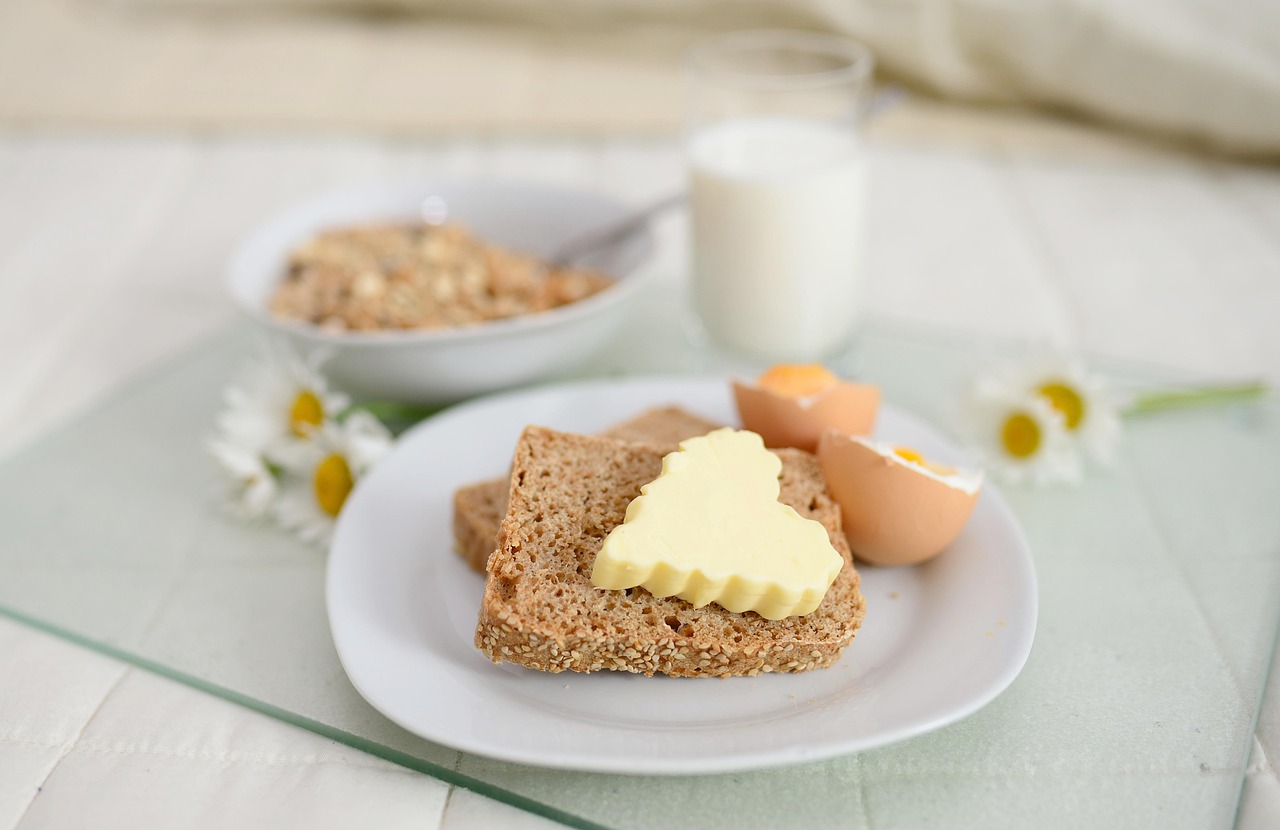
Start your day with balanced portions that provide steady energy. A typical healthy breakfast might include one cup of cooked oatmeal topped with one tablespoon of nut butter and half a cup of berries, alongside one or two eggs. This combination provides complex carbohydrates, protein, healthy fats, and fiber.
For cereal lovers, measure your typical serving and compare it to the recommended portion on the box—you might be surprised by the difference. Use a smaller bowl and add volume with fresh fruit rather than extra cereal.
Lunch Portions for Sustained Afternoon Energy
Build lunches around the plate method with half vegetables, one quarter protein, and one quarter whole grains. A large salad with four ounces of grilled chicken, half a cup of quinoa, and plenty of colorful vegetables drizzled with two tablespoons of dressing exemplifies proper portioning.
Sandwiches should use two slices of whole grain bread, 3-4 ounces of lean protein, and as many vegetables as you can stack on. Add mustard or hummus instead of mayonnaise-based spreads to reduce calories while maintaining flavor.
Dinner Portions Without Deprivation
Evening meals follow the same plate method principles. Don’t skip dinner or eat too little, as this often leads to late-night snacking. A palm-sized portion of salmon, a fist-sized serving of roasted sweet potato, and two fists of steamed broccoli with a teaspoon of butter creates a satisfying, well-portioned dinner.
When cooking pasta, measure dry portions before cooking—typically two ounces per person. Bulk up the dish with plenty of vegetables and a modest amount of protein-rich sauce to create a filling meal without excessive carbohydrates.
Handling Special Situations and Setbacks
Life includes celebrations, holidays, and social events where strict portion control feels impossible or inappropriate. Developing flexibility while maintaining awareness helps you navigate these situations without completely abandoning your healthy habits.
At parties or celebrations, use a small plate and fill it once rather than grazing continuously. Choose your indulgences deliberately rather than mindlessly sampling everything available. Enjoy special treats without guilt, then return to normal portions at your next meal.
When portion control breaks down, avoid the all-or-nothing thinking that turns one large meal into a day or week of overeating. Each meal is a fresh opportunity to make nourishing choices. Progress, not perfection, is the goal.
Plan ahead for situations where you know portions will be challenging. Eat a small, protein-rich snack before events so you’re not ravenous upon arrival. Survey food options before filling your plate to make conscious choices rather than reactive ones.
🌟 Creating Your Personalized Portion Control Plan
Individual nutritional needs vary based on age, sex, activity level, and health goals. While the visual guidelines provided offer excellent starting points, you may need to adjust portions based on your specific circumstances.
Active individuals and athletes require larger portions, particularly of carbohydrates and protein, to fuel their training and recovery. Someone exercising intensely several times per week needs more food than someone with a sedentary lifestyle.
Pay attention to how different portion sizes affect your energy, hunger, and progress toward your goals. If you’re constantly hungry, you might need slightly larger portions or more frequent meals. If you’re not seeing desired changes, portions might need reduction.
Work with a registered dietitian or nutritionist if you have specific health conditions, dietary restrictions, or complex goals. Professional guidance can help you develop a personalized portion control strategy that supports your unique needs while remaining sustainable long-term.

Building Lasting Portion Control Habits
Mastering portion control is a skill developed through consistent practice, not overnight transformation. Be patient with yourself as you learn to recognize appropriate servings and trust your body’s hunger and fullness signals.
Start by implementing one or two strategies rather than overhauling your entire eating approach simultaneously. Perhaps begin with the plate method at dinner, then gradually extend visual portion guides to other meals once that feels natural.
Track your progress through how you feel rather than focusing exclusively on the scale. Improved energy, better digestion, more stable hunger throughout the day, and enhanced mental clarity are valuable indicators that your portions are supporting your wellbeing.
Remember that portion control isn’t about deprivation or eating tiny amounts that leave you unsatisfied. It’s about finding the right quantities that nourish your body, support your goals, and allow you to enjoy food without guilt or restriction. With these simple visual tips and consistent practice, you’ll develop an intuitive understanding of appropriate serving sizes that becomes second nature, keeping you on track toward your health and wellness goals for life.