Transform your meals from ordinary to extraordinary by mastering a simple, science-backed approach to nutrition. The Plate Method revolutionizes how you think about food, making healthy eating intuitive and sustainable.

For decades, nutrition advice has been confusing and contradictory, leaving many people frustrated with complicated diet plans. The beauty of the Plate Method lies in its simplicity—it’s a visual guide that anyone can follow, anywhere, anytime. By incorporating healthy fats strategically, you’ll unlock flavors you never knew existed while nourishing your body at the cellular level. This isn’t about restriction or bland meals; it’s about creating a balanced approach that satisfies your taste buds and supports your health goals simultaneously.
🍽️ Understanding the Plate Method Fundamentals
The Plate Method is a straightforward nutritional framework that divides your plate into specific portions for different food groups. Originally developed by diabetes educators, this approach has gained widespread recognition for its effectiveness in promoting balanced nutrition without complicated calorie counting or restrictive dieting.
The classic Plate Method divides a standard 9-inch plate into three sections: half the plate dedicated to non-starchy vegetables, one quarter for lean proteins, and the remaining quarter for complex carbohydrates. However, the modern interpretation recognizes the crucial role of healthy fats in completing this nutritional picture.
What makes this method so powerful is its flexibility and visual simplicity. You don’t need measuring cups, food scales, or smartphone apps to track every morsel. Your plate becomes your guide, making healthy choices second nature whether you’re eating at home, dining out, or attending social gatherings.
Why Healthy Fats Deserve a Spotlight on Your Plate
For years, dietary fat was demonized, leading to an explosion of low-fat products that replaced fat with sugar and refined carbohydrates. Science has since vindicated fats, particularly the healthy varieties, as essential nutrients that support numerous bodily functions.
Healthy fats serve multiple critical roles in your body. They facilitate the absorption of fat-soluble vitamins A, D, E, and K, which are essential for immune function, bone health, and cellular repair. These fats also provide building blocks for hormone production, including hormones that regulate appetite, mood, and metabolism.
Beyond their physiological importance, fats dramatically enhance the sensory experience of eating. They carry flavor compounds that make food taste richer and more satisfying. This satisfaction factor is crucial for long-term dietary adherence—when food tastes good, you’re more likely to stick with healthy eating patterns.
The Science Behind Satiety and Satisfaction
Healthy fats slow gastric emptying, meaning food stays in your stomach longer, promoting feelings of fullness that last for hours. This physiological response helps prevent the blood sugar roller coaster that leads to cravings, energy crashes, and overeating later in the day.
Research consistently shows that meals containing adequate healthy fats lead to greater satisfaction and reduced snacking between meals. When you feel genuinely satisfied after eating, you’re less likely to reach for processed snacks or desserts, naturally supporting weight management and metabolic health.
Identifying Healthy Fats: Your Essential Guide 🥑
Not all fats are created equal, and understanding the distinctions empowers you to make informed choices that benefit your health. The fat family includes several members, some beneficial and others best consumed sparingly.
Monounsaturated fats represent the gold standard of healthy fats. Found abundantly in olive oil, avocados, nuts like almonds and cashews, and seeds, these fats have been linked to improved heart health, reduced inflammation, and better insulin sensitivity. Mediterranean populations who consume these fats liberally enjoy some of the lowest rates of chronic disease worldwide.
Polyunsaturated fats, including omega-3 and omega-6 fatty acids, are essential fats your body cannot produce independently. Omega-3s, found in fatty fish like salmon, sardines, and mackerel, as well as in walnuts and flaxseeds, possess powerful anti-inflammatory properties that support brain health, cardiovascular function, and joint mobility.
Fats to Embrace Daily
- Extra virgin olive oil: Rich in antioxidants and monounsaturated fats, perfect for cooking and dressing
- Avocados: Creamy texture with fiber, potassium, and heart-healthy fats
- Nuts and seeds: Portable, versatile, and packed with nutrients and healthy fats
- Fatty fish: Exceptional source of omega-3s with high-quality protein
- Nut butters: Convenient spread with protein and healthy fats (choose versions without added sugar)
- Coconut and coconut oil: Contains medium-chain triglycerides with unique metabolic properties
Fats to Limit or Avoid
Trans fats, found in many processed and fried foods, should be avoided entirely. These artificially created fats increase inflammation, raise bad cholesterol while lowering good cholesterol, and significantly increase cardiovascular disease risk. Check ingredient labels for “partially hydrogenated oils”—a clear indicator of trans fats.
Saturated fats from animal sources deserve a nuanced approach. While not as harmful as once believed, excessive consumption may impact cholesterol levels in some individuals. Focus on quality sources like grass-fed butter or coconut oil in moderation, while limiting processed meats and commercial baked goods.
Implementing the Plate Method with Strategic Fat Placement
Integrating healthy fats into the Plate Method requires thoughtful consideration of portion sizes and distribution throughout your meals. While fats are calorie-dense—providing 9 calories per gram compared to 4 calories per gram from proteins and carbohydrates—their benefits far outweigh concerns when consumed appropriately.
Aim to include a serving of healthy fat at every meal. This doesn’t mean drowning your vegetables in oil; rather, it means incorporating fats purposefully to enhance nutrient absorption, flavor, and satisfaction.
Practical Portion Guidelines
| Fat Source | Portion Size | Visual Comparison |
|---|---|---|
| Olive oil or other oils | 1-2 tablespoons | Size of your thumb |
| Avocado | 1/4 to 1/2 medium | Size of a tennis ball (for whole) |
| Nuts | 1 ounce (about 24 almonds) | Small handful |
| Seeds | 2 tablespoons | Two thumbs together |
| Nut butter | 1-2 tablespoons | Size of a ping pong ball |
| Fatty fish | 3-4 ounces | Deck of cards |
Building Your Perfect Balanced Plate 🌟
Creating balanced meals using the Plate Method with healthy fats becomes effortless once you understand the framework. Start by mentally dividing your plate, then build each section with purpose and creativity.
The Vegetable Foundation (Half Your Plate)
Fill half your plate with colorful, non-starchy vegetables like leafy greens, broccoli, peppers, tomatoes, cauliflower, zucchini, or Brussels sprouts. These vegetables provide fiber, vitamins, minerals, and phytonutrients while being naturally low in calories, allowing you to eat generous portions.
Enhance these vegetables with healthy fats: drizzle roasted vegetables with extra virgin olive oil and herbs, add sliced avocado to salads, or sauté greens in a touch of coconut oil with garlic. The fat not only makes vegetables taste incredible but also helps your body absorb fat-soluble nutrients like beta-carotene and vitamin K.
The Protein Quarter
Dedicate one quarter of your plate to high-quality protein sources. This could include fatty fish like salmon or sardines (which provide protein and healthy fats simultaneously), poultry, eggs, legumes, tofu, or lean meats.
When selecting proteins, consider how they’re prepared. Grilling, baking, or pan-searing with a small amount of healthy oil preserves nutrients while creating delicious flavors. If your protein source is naturally lean, pair it with a fat source—for example, serve grilled chicken with an avocado salsa or tahini sauce.
The Complex Carbohydrate Quarter
Reserve the final quarter for complex carbohydrates that provide sustained energy: quinoa, brown rice, sweet potatoes, whole grain pasta, or legumes like lentils and chickpeas. These foods offer fiber, B vitamins, and minerals that support metabolic function.
Add dimension to these starches with healthy fats: toss quinoa with olive oil and lemon, mash sweet potatoes with a touch of grass-fed butter, or dress whole grain pasta with a walnut pesto. These combinations create satisfying, flavorful dishes that keep you energized for hours.
Meal Ideas That Master the Balance
Translating theory into practice becomes easier with concrete meal examples that demonstrate the Plate Method principles in action.
Breakfast Balance
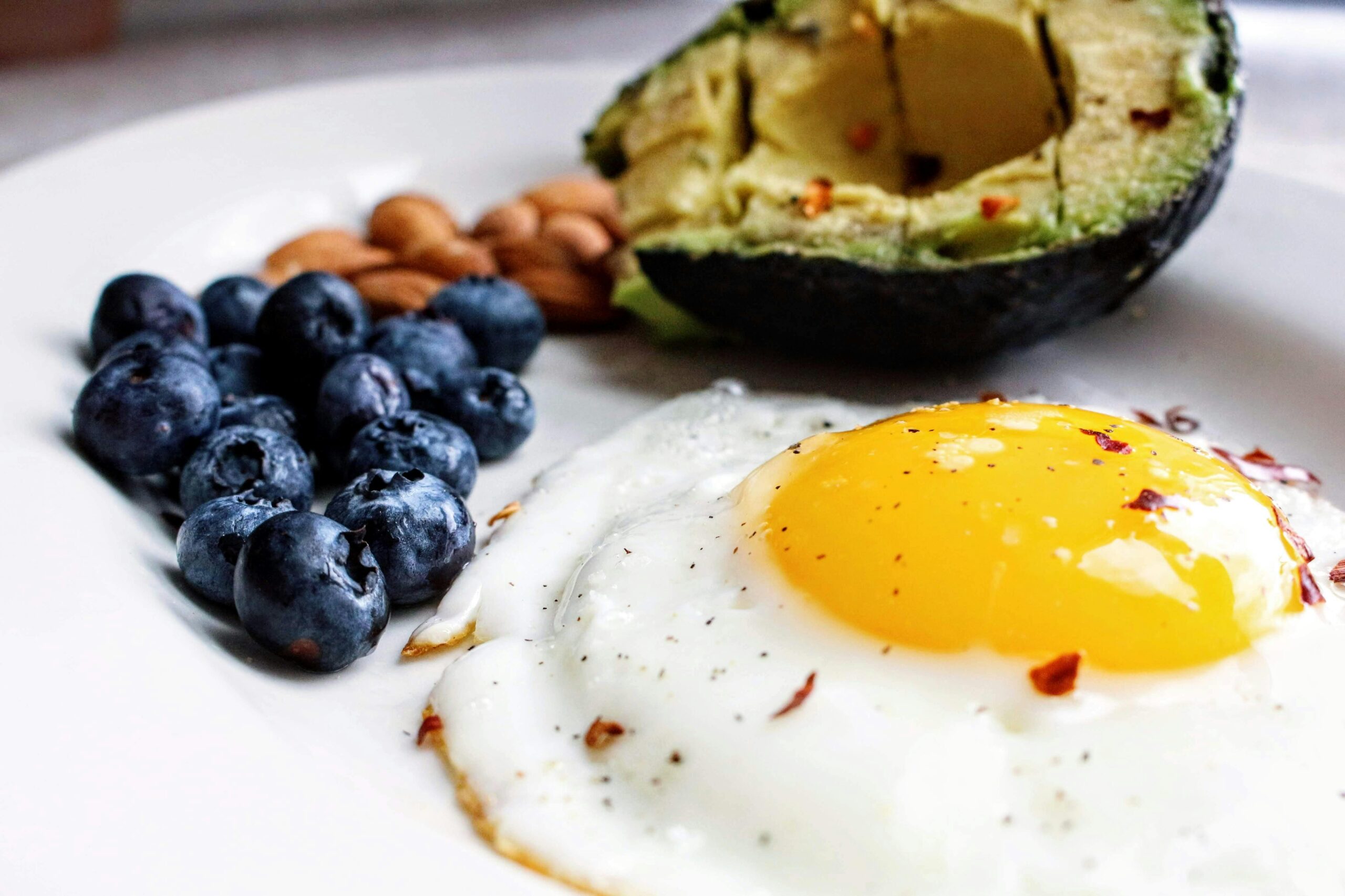
A vegetable-packed omelet made with eggs cooked in olive oil, filled with spinach, tomatoes, and mushrooms, served alongside a slice of whole grain toast with avocado. Add a side of berries for antioxidants. This meal provides protein, healthy fats from both the olive oil and avocado, fiber-rich vegetables, and complex carbohydrates.
Lunch Perfection
A large mixed green salad with grilled salmon, cherry tomatoes, cucumber, shredded carrots, and bell peppers, topped with a handful of walnuts and dressed with an olive oil-based vinaigrette, served with a small portion of quinoa on the side. This plate exemplifies perfect balance with omega-3-rich fish, abundant vegetables, healthy fats from walnuts and dressing, and complex carbs from quinoa.
Dinner Delight
Stir-fried vegetables (broccoli, snap peas, carrots, bok choy) cooked in sesame oil with cubed tofu, served over brown rice and garnished with sesame seeds and sliced almonds. The sesame oil and nuts provide healthy fats, vegetables fill half the plate, tofu delivers protein, and brown rice offers sustained energy.
Overcoming Common Challenges and Misconceptions 💪
Even with a simple framework like the Plate Method, questions and obstacles arise. Addressing these concerns helps ensure long-term success.
Won’t Eating Fat Make Me Fat?
This persistent myth stems from outdated nutritional thinking. Weight gain results from consuming more calories than your body expends, regardless of macronutrient composition. Healthy fats, when consumed in appropriate portions as part of balanced meals, actually support weight management by increasing satiety and reducing overall calorie consumption throughout the day.
Studies comparing low-fat diets to those including healthy fats consistently show equal or better weight loss outcomes for the higher-fat approaches, along with improved markers of metabolic health and better long-term adherence.
What About Eating Out?
Restaurant meals often present challenges, but the Plate Method adapts beautifully to dining out. Survey the menu for meals that include vegetables, protein, and whole grains. Request dressings and sauces on the side so you can control portions. Ask for vegetables to be prepared with olive oil rather than butter or cream sauces. Don’t hesitate to request substitutions—most restaurants happily accommodate reasonable requests.
Managing Budget Concerns
Healthy fats need not break the bank. While specialty items like macadamia nuts or avocado oil can be expensive, plenty of affordable options exist. Buy nuts and seeds in bulk, choose canned sardines or salmon, purchase frozen wild-caught fish when fresh is costly, and invest in a good bottle of extra virgin olive oil that will last weeks.
Fine-Tuning Your Approach for Optimal Results
As you become comfortable with the basic Plate Method, consider these advanced strategies to further optimize your nutrition and enjoyment.
Rotate your fat sources regularly to benefit from diverse nutrient profiles. One day focus on olive oil and olives, the next incorporate avocados, then emphasize nuts and seeds, followed by fatty fish. This rotation ensures you’re getting a complete spectrum of beneficial fatty acids and associated nutrients.
Pay attention to how different fats make you feel. While nutritional science provides general guidelines, individual responses vary. Some people thrive with more coconut oil, while others feel best with emphasis on olive oil and avocados. Your body provides valuable feedback—honor it.
Consider the quality of your fat sources. Extra virgin olive oil offers more antioxidants than refined versions. Wild-caught fish typically contains fewer contaminants than farm-raised. Organic nuts avoid pesticide residues. When possible, choose quality over quantity, recognizing that small amounts of superior fats provide greater benefits than larger quantities of lower-quality options.
Creating Sustainable Habits That Last 🎯
Knowledge without implementation remains theoretical. The true power of the Plate Method with healthy fats emerges when you consistently apply these principles day after day, meal after meal.
Start gradually rather than overhauling your entire diet overnight. Perhaps begin by adding a tablespoon of olive oil to your vegetable preparations this week. Next week, incorporate avocado into lunch. The following week, experiment with different nuts and seeds. Small, incremental changes compound over time, creating lasting transformation without overwhelming your capacity for change.
Prepare your environment for success. Stock your kitchen with quality olive oil, a variety of nuts and seeds, avocados, and frozen fish. When healthy fats are readily available, you’ll naturally incorporate them more frequently. Conversely, keep tempting processed foods with unhealthy fats out of your immediate environment.
Involve family members or roommates in your journey. When everyone understands and supports the Plate Method principles, meal planning becomes easier and more enjoyable. Children especially benefit from seeing balanced plates modeled consistently, developing healthy eating patterns that serve them for life.
Measuring Success Beyond the Scale
While many people initially adopt healthier eating patterns for weight management, the benefits of the Plate Method with healthy fats extend far beyond numbers on a scale.
Notice improvements in energy levels throughout the day, with fewer mid-afternoon crashes and more sustained mental clarity. Observe changes in your skin, hair, and nails as your body receives the fats necessary for cellular health. Pay attention to mood stability and improved stress resilience as your hormones receive the building blocks they need.
Track your relationship with food itself. Do you feel more satisfied after meals? Are you experiencing fewer cravings? Has eating become more enjoyable rather than stressful? These qualitative improvements often matter more than quantitative metrics, indicating that you’ve found a sustainable approach rather than another temporary diet.
The Plate Method with strategic healthy fat inclusion represents more than a nutritional strategy—it’s a framework for transforming your relationship with food. By honoring both the science of nutrition and the pleasure of eating, you create a sustainable path toward vibrant health that doesn’t require sacrifice or suffering. Your plate becomes a canvas where nutrition meets satisfaction, where health goals align with culinary enjoyment, and where every meal becomes an opportunity to nourish both body and soul.