Finding balance in vegetarian eating doesn’t have to be complicated. The plate method offers a visual, intuitive approach to creating nutritious meals that satisfy your body’s needs while celebrating plant-based ingredients in their full glory.

Whether you’re a longtime vegetarian or simply incorporating more plant-based meals into your routine, mastering this approach transforms meal planning from a confusing puzzle into a straightforward, enjoyable practice. The beauty lies in its simplicity—no calorie counting, no restrictive rules, just wholesome foods arranged in balanced proportions.
🍽️ Understanding the Vegetarian Plate Method
The plate method divides your dish into specific sections, each dedicated to a different food group. This visual guide ensures you’re getting adequate nutrients without overthinking portions or obsessing over macros. For vegetarians, this method requires some thoughtful adaptations to ensure sufficient protein and essential nutrients typically found in animal products.
The classic vegetarian plate template follows these proportions: half your plate filled with vegetables, one quarter with protein-rich foods, and one quarter with whole grains or starchy vegetables. This foundation creates meals that are naturally balanced, fiber-rich, and satisfying without leaving you hungry an hour later.
Why the Plate Method Works for Vegetarians
Traditional nutrition advice often centers around animal proteins, leaving vegetarians to navigate confusing territory. The plate method sidesteps this challenge by focusing on food groups rather than specific items. It’s flexible enough to accommodate various vegetarian styles—from lacto-ovo to vegan—while maintaining nutritional integrity.
This approach also prevents common vegetarian pitfalls like over-relying on pasta and bread or under-consuming protein. By visualizing your plate before you eat, you naturally create diversity in your diet, which is essential for obtaining the full spectrum of vitamins, minerals, and amino acids your body needs.
🥗 Building Your Vegetable Foundation
Vegetables occupy the largest section of your plate for good reason—they’re nutrient-dense, low in calories, and packed with fiber that keeps your digestive system happy. This half-plate portion should include a colorful variety, as different colors signal different phytonutrients and health benefits.
Aim for a mix of raw and cooked vegetables. Dark leafy greens like spinach, kale, and collards provide iron and calcium—nutrients vegetarians need to monitor carefully. Cruciferous vegetables such as broccoli, cauliflower, and Brussels sprouts offer cancer-fighting compounds and substantial texture that makes meals more satisfying.
Maximizing Vegetable Variety
Don’t fall into the trap of eating the same three vegetables on repeat. Challenge yourself to try one new vegetable each week. Rotate through seasonal produce to keep meals interesting and maximize freshness. Winter squashes, summer zucchini, spring asparagus, and autumn Brussels sprouts each bring unique flavors and nutritional profiles.
Consider preparation methods that enhance both taste and nutrient absorption. Roasting vegetables caramelizes their natural sugars, making even bitter vegetables like Brussels sprouts appealing. Steaming preserves water-soluble vitamins, while sautéing with healthy fats improves absorption of fat-soluble vitamins A, D, E, and K.
💪 Protein Quarter: The Vegetarian Power Section
The protein quarter is where vegetarian meal planning requires the most attention. Unlike omnivores who can simply place a piece of chicken or fish on their plate, vegetarians need to be more strategic about combining protein sources to ensure they’re getting all essential amino acids.
Legumes form the cornerstone of vegetarian protein intake. Lentils, chickpeas, black beans, kidney beans, and split peas are versatile, affordable, and incredibly nutritious. A single cup of cooked lentils provides about 18 grams of protein along with significant iron and folate. Tofu and tempeh, made from soybeans, are complete proteins containing all nine essential amino acids.
Complete Protein Combinations
While you don’t need to combine complementary proteins in every single meal, being aware of these partnerships helps maximize protein quality throughout your day. Classic combinations include beans with rice, hummus with whole wheat pita, peanut butter on whole grain bread, and lentil soup with barley.
Greek yogurt and cottage cheese (for lacto-vegetarians) are protein powerhouses that work beautifully in both savory and sweet applications. Eggs remain one of the most bioavailable protein sources available, with one large egg providing about 6 grams of high-quality protein plus essential nutrients like choline and vitamin B12.
Plant-Based Protein Portions
Understanding proper portions prevents both under-eating and over-relying on protein foods at the expense of vegetables. Aim for these approximate amounts in your protein quarter:
- ¾ to 1 cup cooked legumes (beans, lentils, chickpeas)
- ½ cup firm tofu or ¾ cup soft tofu
- ½ cup tempeh
- 2 eggs
- ¾ cup Greek yogurt or cottage cheese
- ¼ cup nuts or seeds combined with legumes
🌾 The Whole Grain and Starchy Vegetable Quarter
This final quarter provides sustained energy through complex carbohydrates. Whole grains offer significantly more nutrients than refined versions—more fiber, B vitamins, minerals, and protein. They digest slowly, preventing blood sugar spikes and keeping you energized longer.
Quinoa stands out as particularly valuable for vegetarians because it’s a complete protein. Brown rice, farro, bulgur, wild rice, and whole wheat pasta all bring different textures and flavors to your meals. Don’t overlook ancient grains like amaranth, millet, and teff, which provide nutritional diversity.
Starchy Vegetables as Grain Alternatives
Starchy vegetables can occupy this quarter instead of or alongside grains. Sweet potatoes, regular potatoes, winter squash, corn, and parsnips provide carbohydrates plus additional vitamins and minerals. Sweet potatoes are particularly impressive, loaded with beta-carotene, vitamin C, and potassium.
Portion awareness matters here because these foods are more calorie-dense than non-starchy vegetables. Visual cues help: about the size of your fist or one cup cooked grains, one medium potato, or one cup of starchy vegetables fills this quarter appropriately.
🥑 Healthy Fats: The Often-Forgotten Element
While not represented as a visible plate section, healthy fats deserve attention in vegetarian meal planning. They’re essential for hormone production, brain health, and absorption of fat-soluble vitamins. They also add satisfying richness that makes vegetarian meals feel complete.
Incorporate fats through cooking methods (sautéing with olive oil), toppings (avocado slices, nuts, seeds), and dressings (tahini-based sauces, nut-based creams). Omega-3 fatty acids require special attention since vegetarians miss out on fish-based sources. Flaxseeds, chia seeds, hemp seeds, and walnuts provide ALA, the plant-based omega-3 precursor.
📋 Template Meal Ideas Using the Plate Method
Seeing the plate method in action makes it easier to implement. These templates show how diverse and delicious balanced vegetarian eating can be.
Mediterranean-Inspired Plate
Vegetable half: Roasted eggplant, zucchini, bell peppers, and tomatoes seasoned with herbs
Protein quarter: Chickpeas tossed with lemon and cumin
Grain quarter: Bulgur wheat or quinoa
Healthy fat: Drizzle of extra virgin olive oil, sprinkle of pine nuts
Asian-Fusion Bowl
Vegetable half: Steamed bok choy, shredded purple cabbage, julienned carrots, sliced cucumber
Protein quarter: Crispy baked tofu with ginger-tamari glaze
Grain quarter: Brown rice or soba noodles
Healthy fat: Sesame seeds, drizzle of sesame oil
Mexican-Style Plate
Vegetable half: Sautéed peppers and onions, fresh tomato salsa, shredded lettuce
Protein quarter: Black beans seasoned with cumin and garlic
Grain quarter: Brown rice or corn tortilla
Healthy fat: Avocado slices or guacamole, pepitas
Comfort Food Plate
Vegetable half: Roasted Brussels sprouts and carrots
Protein quarter: Lentil shepherd’s pie filling
Grain quarter: Mashed sweet potato topping
Healthy fat: Drizzle of tahini sauce
🍳 Breakfast Applications of the Plate Method
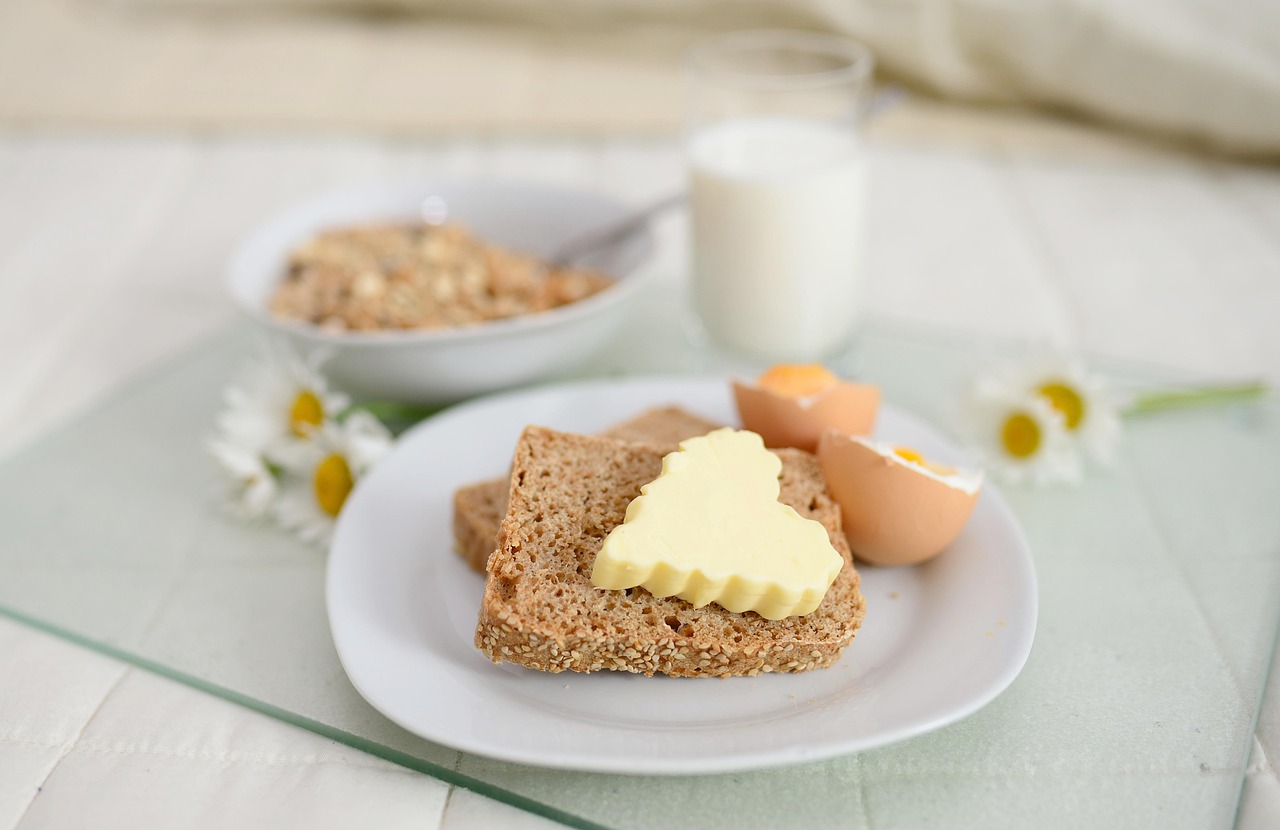
The plate method isn’t just for lunch and dinner. Adapting it to breakfast sets a nutritious tone for your entire day and prevents the common pitfall of carb-heavy morning meals that leave you hungry by mid-morning.
For breakfast plates, think creatively about the vegetable half. Sautéed spinach, grilled tomatoes, roasted mushrooms, or bell peppers work beautifully alongside eggs or tofu scrambles. The protein quarter might include eggs, Greek yogurt, or a tofu scramble, while the grain quarter could feature whole grain toast, oatmeal, or breakfast potatoes.
Breakfast Bowl Template
Start with a base of cooked quinoa or oats (grain quarter), top with Greek yogurt or a nut butter mixture (protein quarter), and load up on berries, sliced banana, and grated apple (fruit counts as your vegetable equivalent at breakfast). Add walnuts or chia seeds for healthy fats.
⏰ Meal Prep Strategies for Plate Method Success
The plate method becomes even more practical with strategic meal preparation. Batch cooking components separately allows you to mix and match throughout the week, preventing boredom while maintaining nutritional balance.
Dedicate time each week to preparing large batches of grains, roasting vegetables, and cooking legumes. Store them in separate containers so you can assemble different combinations. Cooked quinoa stays fresh for five days, roasted vegetables for four days, and cooked beans for up to a week when properly refrigerated.
Mix-and-Match Meal Prep Components
Prepare three different grain options, three protein preparations, and multiple vegetable varieties each week. This creates countless combination possibilities from a single prep session. For example, quinoa pairs beautifully with Mediterranean flavors one day and Asian-inspired ingredients the next.
Invest in quality storage containers with compartments that mirror the plate method proportions. This makes it easy to pack balanced lunches that maintain the visual guidance even when you’re eating away from home.
🎯 Addressing Common Nutritional Concerns
The plate method naturally addresses many nutritional needs, but vegetarians should remain mindful of specific nutrients that require extra attention.
Iron Absorption
Plant-based iron (non-heme iron) absorbs less efficiently than animal-based iron. Combat this by pairing iron-rich foods like lentils, spinach, and fortified grains with vitamin C sources. Add tomatoes to lentil dishes, squeeze lemon over spinach, or include bell peppers in your vegetable half to enhance iron absorption.
Vitamin B12 Considerations
B12 doesn’t naturally occur in plant foods, making supplementation or fortified foods essential for most vegetarians, especially vegans. Nutritional yeast, fortified plant milks, and fortified cereals can contribute to B12 intake, but many vegetarians benefit from a supplement to ensure adequacy.
Calcium and Vitamin D
Include calcium-rich plant foods like fortified plant milks, tofu made with calcium sulfate, collard greens, and tahini regularly. Vitamin D production requires sun exposure or supplementation for most people regardless of diet, but it’s particularly important for vegetarians to monitor since many fortified foods are dairy-based.
✨ Making Your Plates Instagram-Worthy and Nutritious
Beautiful food tastes better—it’s a proven psychological effect. Taking time to arrange your plate thoughtfully increases meal satisfaction and reinforces the visual proportions of the plate method.
Use color contrasts to make plates visually appealing. Purple cabbage against orange sweet potato, bright green herbs over brown lentils, red tomatoes beside white beans—these combinations please the eye while ensuring nutritional diversity. Different textures also matter: crunchy seeds over creamy hummus, crispy roasted vegetables alongside tender grains.
🔄 Adapting the Plate Method for Different Caloric Needs
The basic proportions remain consistent, but total plate size adjusts based on individual energy requirements. Athletes and highly active individuals might use larger plates or add a second helping, while those with lower energy needs might use smaller plates or half-portions.
Listen to your hunger and fullness cues rather than rigidly adhering to arbitrary amounts. The plate method provides structure, not restriction. If you’re genuinely hungry after finishing your plate, it’s perfectly appropriate to have more, prioritizing vegetables and protein if you’re still looking for satisfaction.
🌟 Long-Term Success with Balanced Vegetarian Eating
Sustainable eating patterns develop gradually. Give yourself permission to learn and adjust as you discover what works for your body, schedule, and taste preferences. The plate method offers flexibility within structure—exactly what most people need to maintain healthy habits long-term.
Keep your pantry stocked with staples that make plate method meals easy: canned beans, dried lentils, various grains, frozen vegetables, and versatile seasonings. When healthy eating is convenient, it becomes your default rather than something requiring special effort.
Track how you feel after meals rather than obsessing over numbers. Balanced plates should leave you satisfied for three to four hours, with stable energy and clear thinking. If you’re hungry shortly after eating or experiencing energy crashes, adjust your proportions or investigate whether you’re getting enough protein and healthy fats.
🎨 Seasonal Eating with the Plate Method
Aligning your vegetarian plate with seasonal produce enhances flavor, reduces costs, and connects you with natural eating rhythms. Summer plates burst with tomatoes, zucchini, corn, and peppers. Autumn brings squash, Brussels sprouts, and hearty root vegetables. Winter features storage crops and leafy greens, while spring introduces asparagus, peas, and fresh herbs.
Seasonal eating naturally creates variety throughout the year, preventing the monotony that sometimes challenges vegetarian diets. It also ensures you’re getting produce at peak nutrient density and flavor, making balanced eating more enjoyable and sustainable.
The plate method transforms vegetarian meal planning from complicated to intuitive. By visualizing balanced proportions, you naturally create nutritious meals without restrictive rules or tedious tracking. This approach celebrates the abundance and diversity of plant-based foods while ensuring your body receives the nutrients it needs to thrive. Start with one plate method meal today, and watch as this simple framework revolutionizes your relationship with vegetarian eating.